
Reasons to Leave Black Mold Removal to the Experts
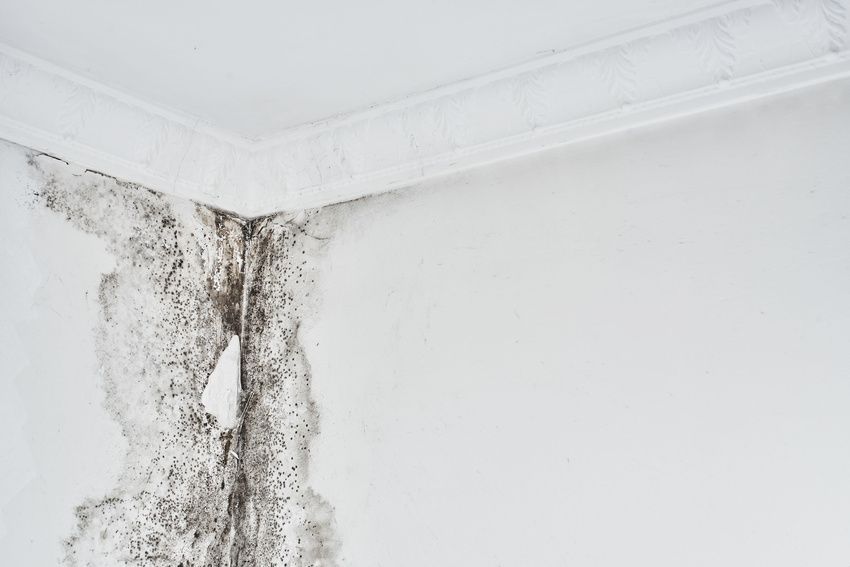
Finding mold inside your home can be unsettling, especially when dark patches appear on walls, ceilings, or other surfaces. You might be tempted to grab a cleaning product and handle the problem yourself, but mold can spread beyond what you see. Moisture problems, hidden growth, and airborne spores make remediation more complicated than ordinary household cleaning. Knowing when to bring in professionals can help protect your property, your indoor environment, and your peace of mind.
Protecting Your Health With Professional Handling
One of the biggest reasons to hire professionals is the potential health impact of mold exposure. Mold spores can trigger allergic reactions, respiratory irritation, coughing, sneezing, and other uncomfortable symptoms, particularly among people with asthma or sensitivities. Disturbing an affected area without proper precautions may release additional spores into the air, increasing the possibility of exposure. Professional black mold removal involves appropriate protective equipment, containment procedures, and careful handling to reduce these risks.
Children, older adults, and individuals with weakened immune systems may be particularly sensitive to indoor mold. Even when symptoms seem relatively mild, persistent exposure can make an already uncomfortable living environment harder to manage. Experienced remediation technicians understand the importance of limiting contamination while addressing affected materials. Their safety-focused approach helps homeowners avoid unnecessary contact with mold and creates a more controlled process from beginning to end.
Identifying Hidden Mold Before It Spreads
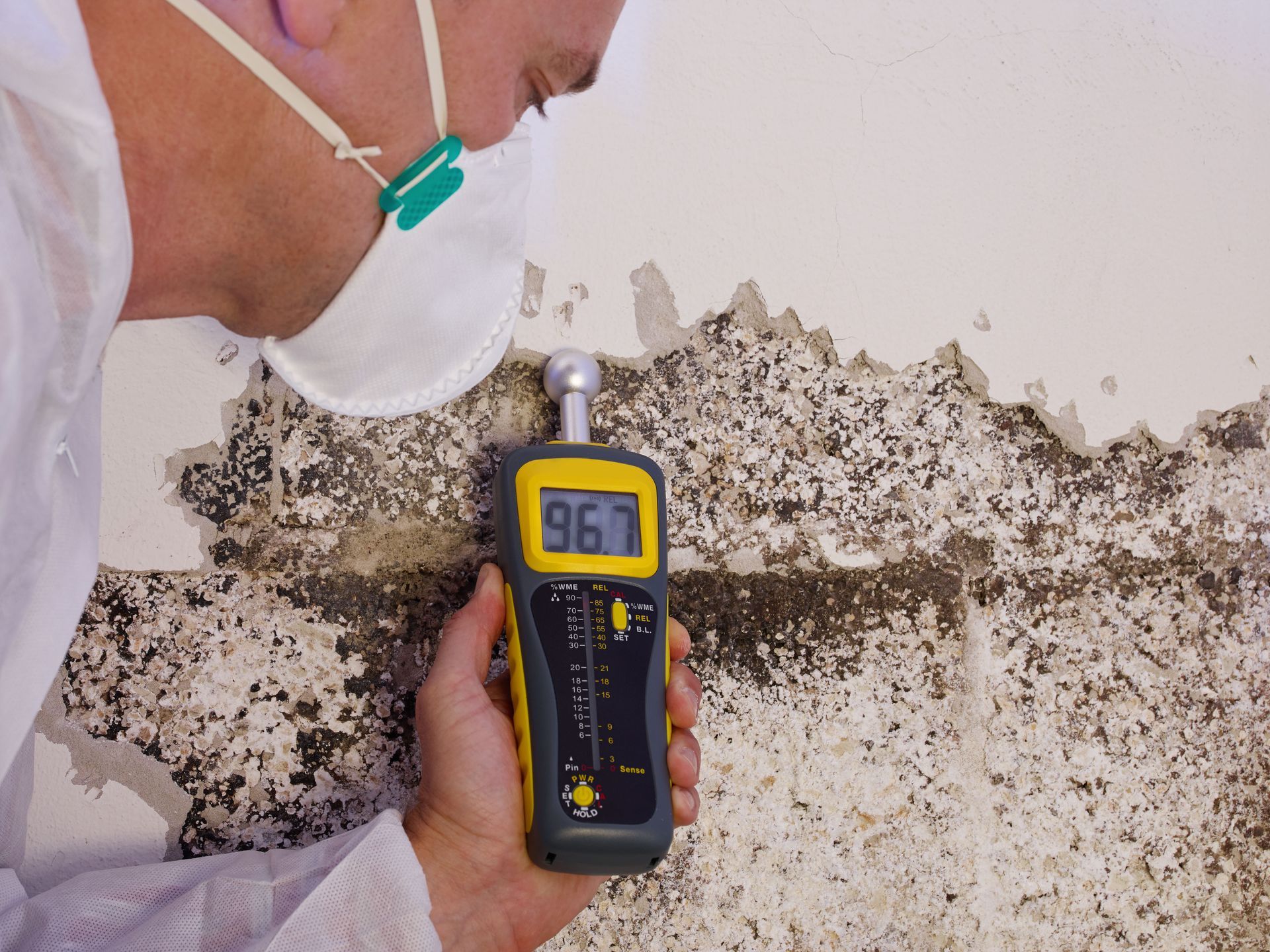
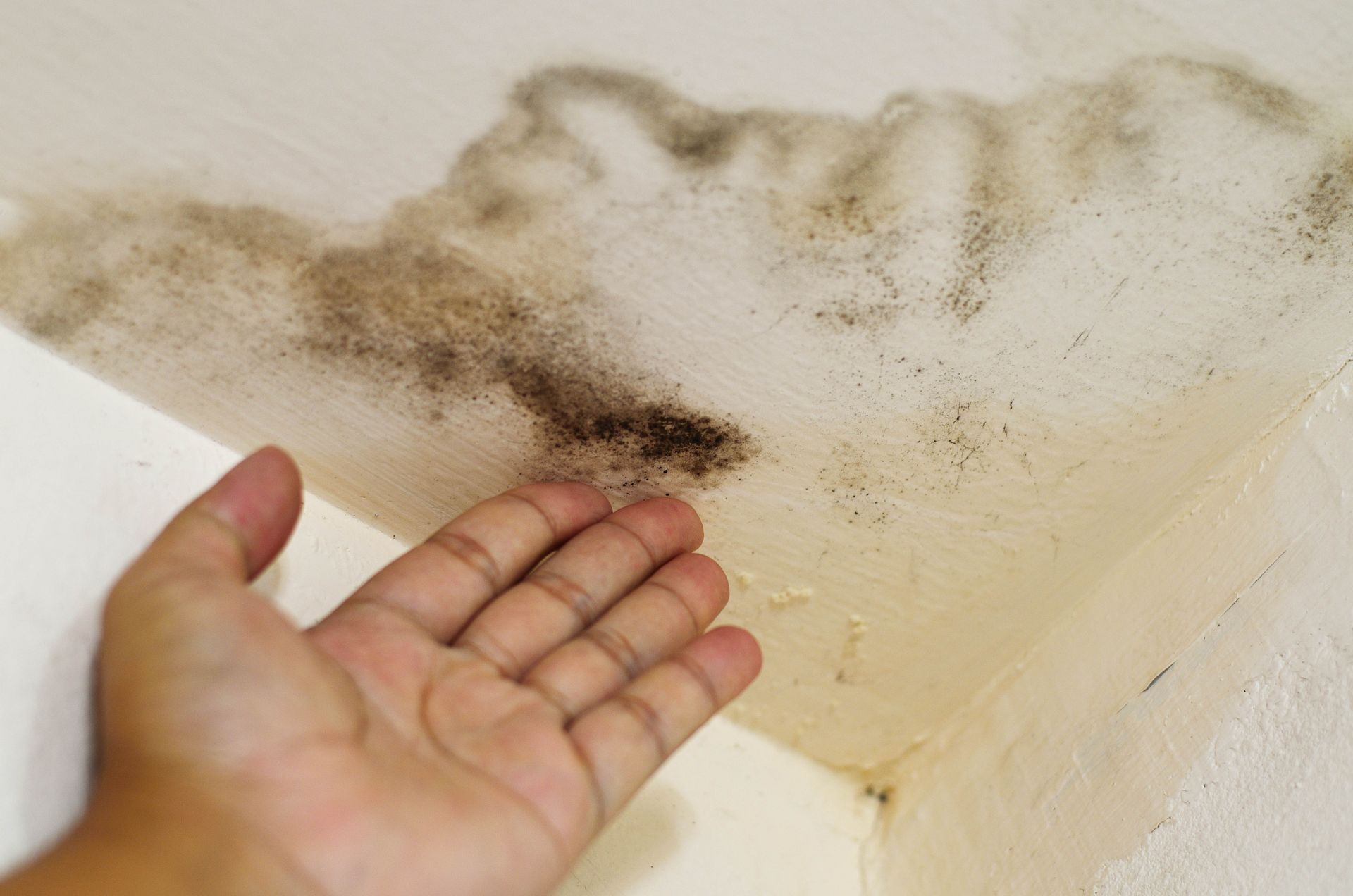
Visible mold is not always the full extent of the problem. Growth can develop behind drywall, beneath flooring, inside cabinets, around plumbing connections, or within areas affected by previous leaks. A small discoloration on the surface may indicate a larger moisture problem that has remained unnoticed for weeks or months. Professionals use inspection methods and moisture detection equipment to investigate these concealed areas more effectively.
Finding hidden growth matters because treating only the visible patches rarely resolves the underlying issue. Mold can continue developing in damp materials even after the surface looks clean. Professional black mold removal addresses affected areas systematically, helping identify contamination that ordinary cleaning methods might overlook. A thorough inspection also gives property owners a clearer understanding of what needs attention and which repairs may be necessary.
Preventing Cross-Contamination During Remediation
Mold remediation requires more than removing contaminated material from a room. When disturbed, spores and fragments can travel through the air or settle onto nearby surfaces, potentially spreading contamination into previously unaffected spaces. Professionals establish containment barriers and use appropriate ventilation controls to limit movement during the cleanup process. These precautions are particularly important when working around bedrooms, living areas, HVAC equipment, or frequently occupied spaces.
Without proper containment, an attempted cleanup may unintentionally create additional problems. Household fans, ordinary vacuums, and careless handling can distribute particles rather than capture them effectively. Professional black mold removal includes procedures designed to control contamination while workers clean, remove damaged materials, and manage debris. This organized approach helps keep remediation focused on the affected areas instead of allowing the problem to spread throughout the property.
Using Safer and More Effective Cleaning Methods
Different materials require different remediation techniques, and choosing the wrong approach can make matters worse. Mold growing on a nonporous surface may respond to appropriate cleaning, while contaminated drywall, insulation, or carpet may need removal and replacement. Professionals understand how to evaluate these materials and determine which treatment methods are appropriate for the situation. Their experience helps prevent unnecessary damage while ensuring affected areas receive proper attention.
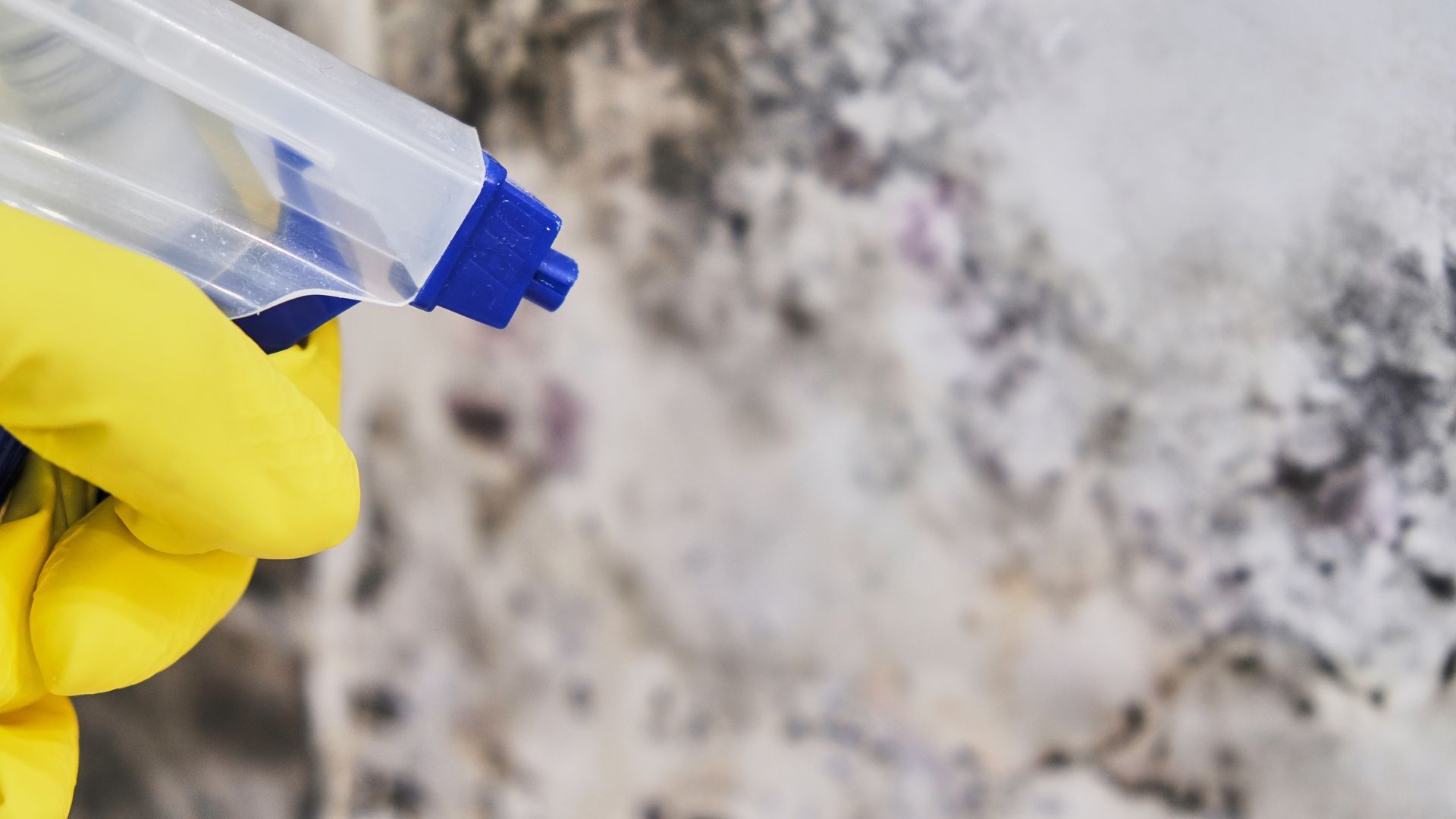
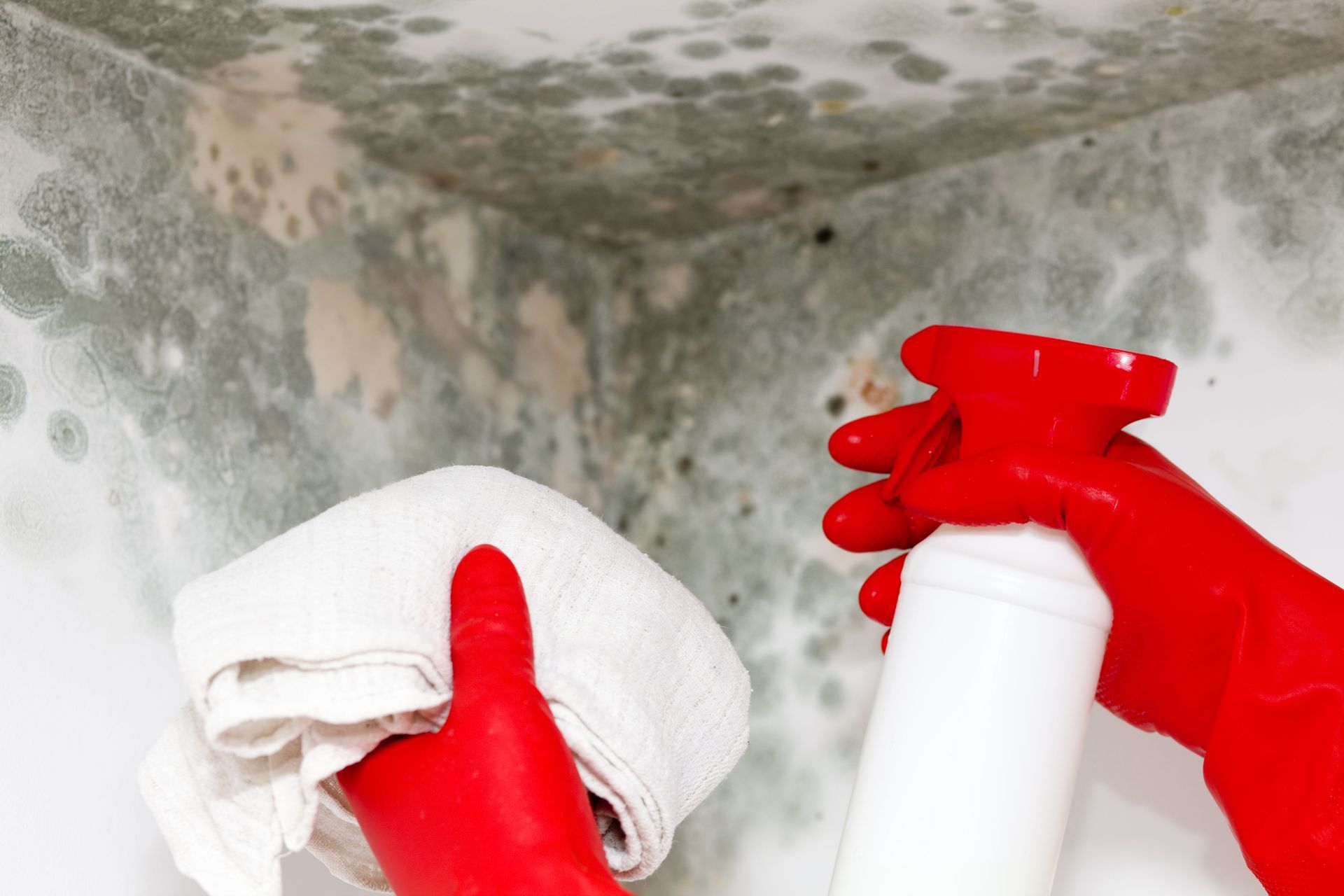
Another important consideration is that household cleaning products are not always suitable for extensive contamination. Some products can discolor surfaces, damage finishes, or create irritating fumes when used improperly. Professional black mold removal relies on established procedures, suitable equipment, and careful material handling rather than simply applying stronger chemicals. This distinction makes professional remediation especially valuable when mold affects multiple rooms or vulnerable building materials.
Addressing Moisture Problems and Preventing Regrowth
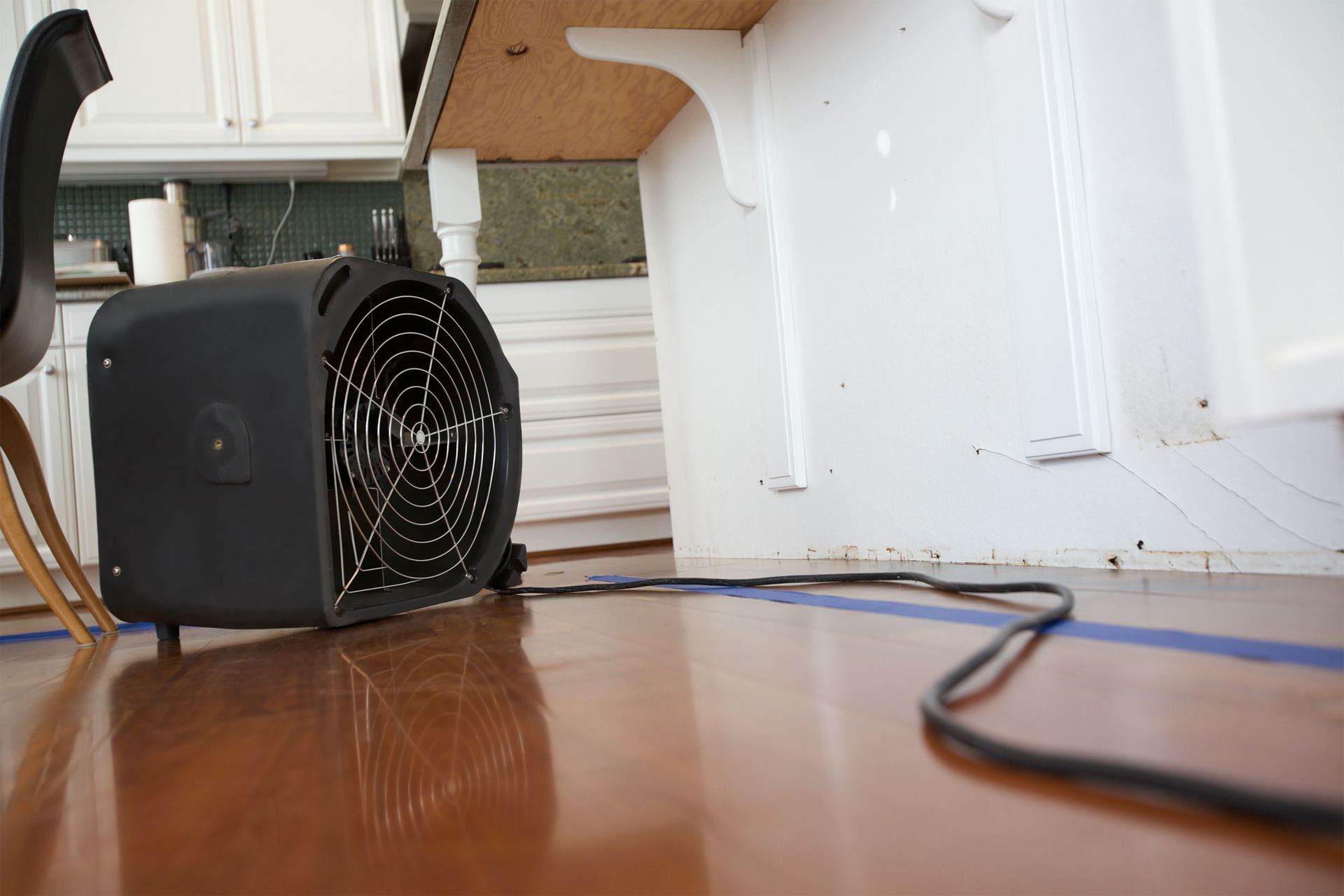
Mold needs moisture to grow, which means removing visible growth without correcting water problems is rarely a lasting solution. Leaking pipes, roof damage, condensation, and poor ventilation can all contribute to recurring infestations. Professionals investigate these conditions and recommend practical steps to correct the source of moisture. Depending on the circumstances, that may involve drying affected materials, repairing leaks, or improving airflow in problem areas.
The financial consequences of ignoring moisture can also become substantial. According to HomeGuide, mold remediation generally costs around $15 to $30 per square foot, with typical overall project expenses ranging from approximately $1,500 to $6,000. The actual price depends on factors such as contamination severity, accessibility, affected materials, and necessary repairs. Addressing moisture promptly and investing in professional black mold removal when needed may help prevent repeated cleanup expenses and more extensive property damage.
Reducing Property Damage and Protecting Structural Materials
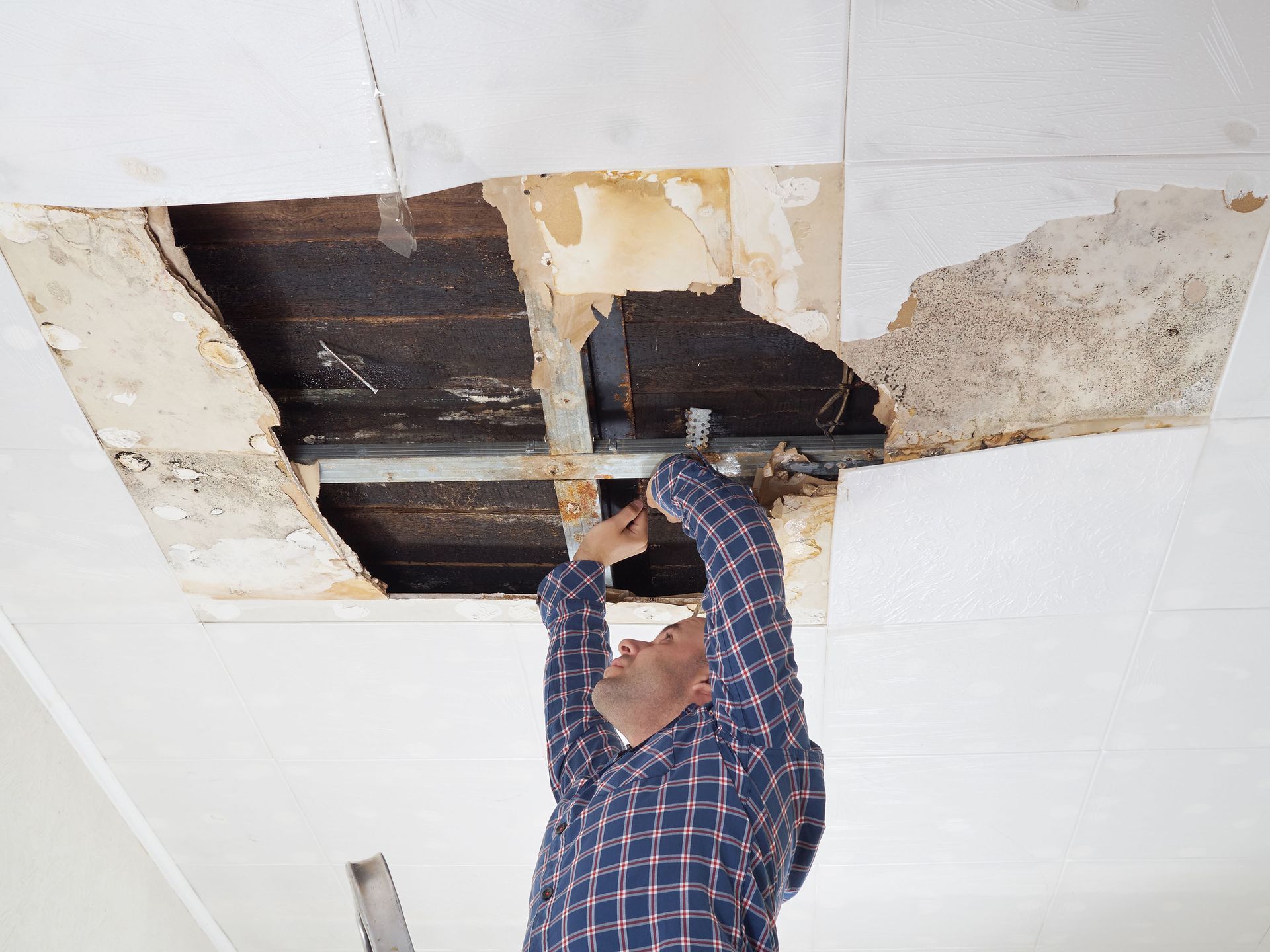
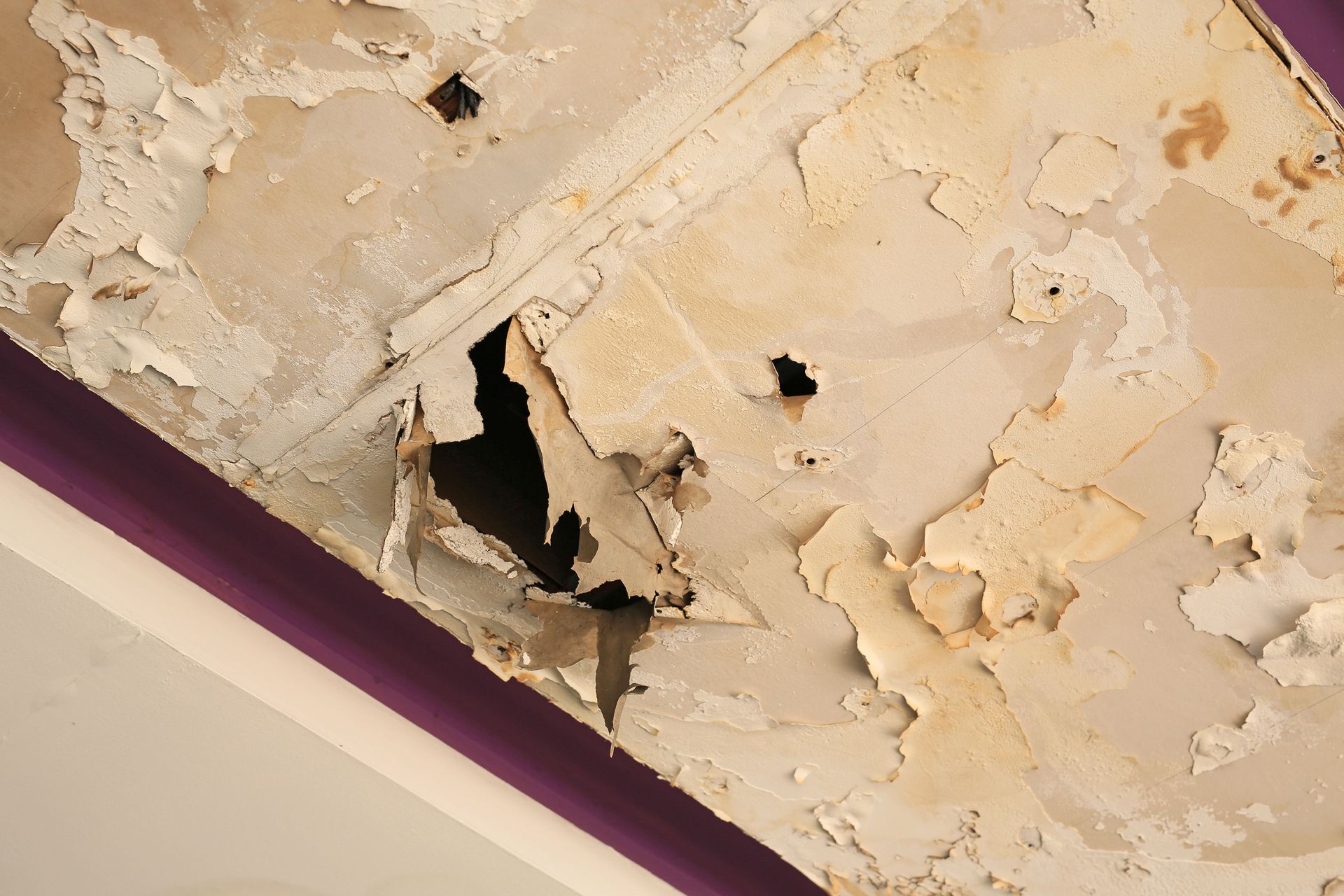
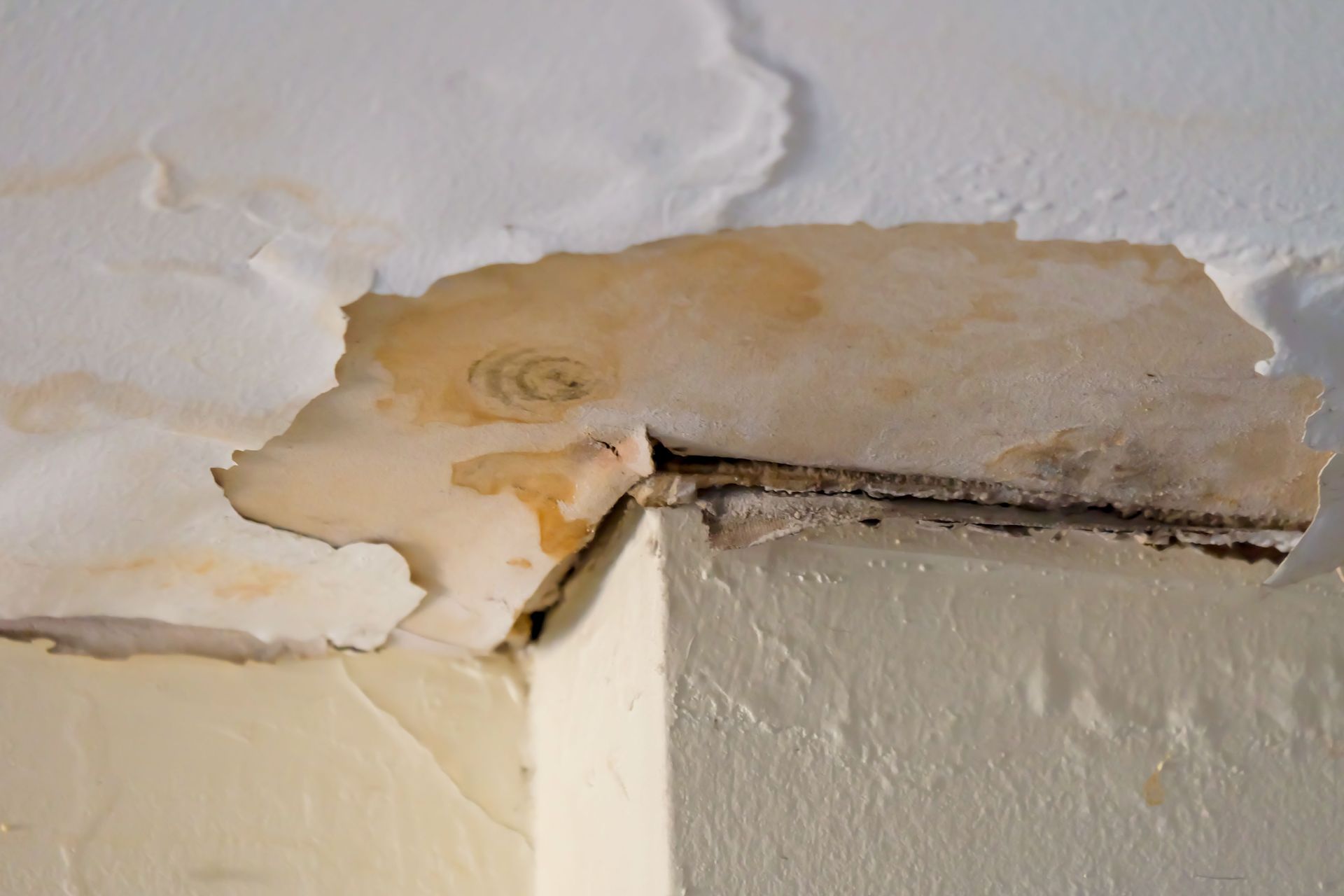
Mold can gradually affect building materials when moisture remains present for extended periods. Drywall, wood, insulation, carpeting, and other porous materials may become damaged or unsuitable for continued use. Leaving contamination untreated can also complicate repairs, particularly when growth develops inside walls or beneath finished surfaces. Professionals evaluate the condition of affected materials and determine whether cleaning, drying, removal, or replacement is necessary.
A careful remediation process can help homeowners avoid unnecessary demolition while still addressing damaged components appropriately. Technicians understand how to distinguish materials that can reasonably be cleaned from those that require replacement. Professional black mold removal also supports better coordination between remediation and restoration work, allowing property owners to plan repairs more effectively. Taking action before contamination becomes extensive can help preserve valuable building components and reduce disruption to everyday living.
Ensuring Thorough Cleanup and Better Documentation
Once remediation begins, homeowners often want to know whether the problem has actually been resolved. Professionals can document affected areas, remediation procedures, material removal, and moisture-related findings throughout the project. Depending on the circumstances, they may also recommend an independent assessment or post-remediation verification to evaluate whether cleanup goals have been achieved. These records provide useful information for property owners who need to understand the work performed.
Documentation can become especially helpful when coordinating repairs, communicating with insurance representatives, or managing rental properties. Having clear records makes it easier to explain the extent of the problem and identify which corrective actions were completed. Professional black mold removal provides a structured process that homeowners can follow rather than relying on assumptions about whether visible growth has disappeared. This added accountability supports informed decisions about restoring and maintaining the property.
Mold problems can quickly become overwhelming when homeowners are unsure how far contamination extends or which materials require attention. Professional remediation offers a practical way to address these concerns through inspection, containment, appropriate removal methods, and moisture control. Rather than treating mold as a surface-level inconvenience, experts evaluate the conditions that allowed it to develop and recommend solutions that address the broader problem. That comprehensive perspective can make a meaningful difference in protecting both your home and its occupants.
Ultimately, choosing professional assistance is about more than eliminating visible discoloration from your walls, ceilings, or other surfaces. It involves reducing exposure risks, limiting property damage, correcting moisture issues, and establishing a cleaner indoor environment that supports long-term comfort. Professional remediation also helps homeowners understand the extent of contamination, recognize potential problem areas, and take practical steps to prevent mold from returning. With the right expertise and a comprehensive approach, you can protect your investment while making your home a healthier, more comfortable place to live. When mold affects your property, contact Restore It Restoration LLC for professional remediation and restoration assistance.
Share On: