
Most Overlooked Places Where Mold Grows in Your Home
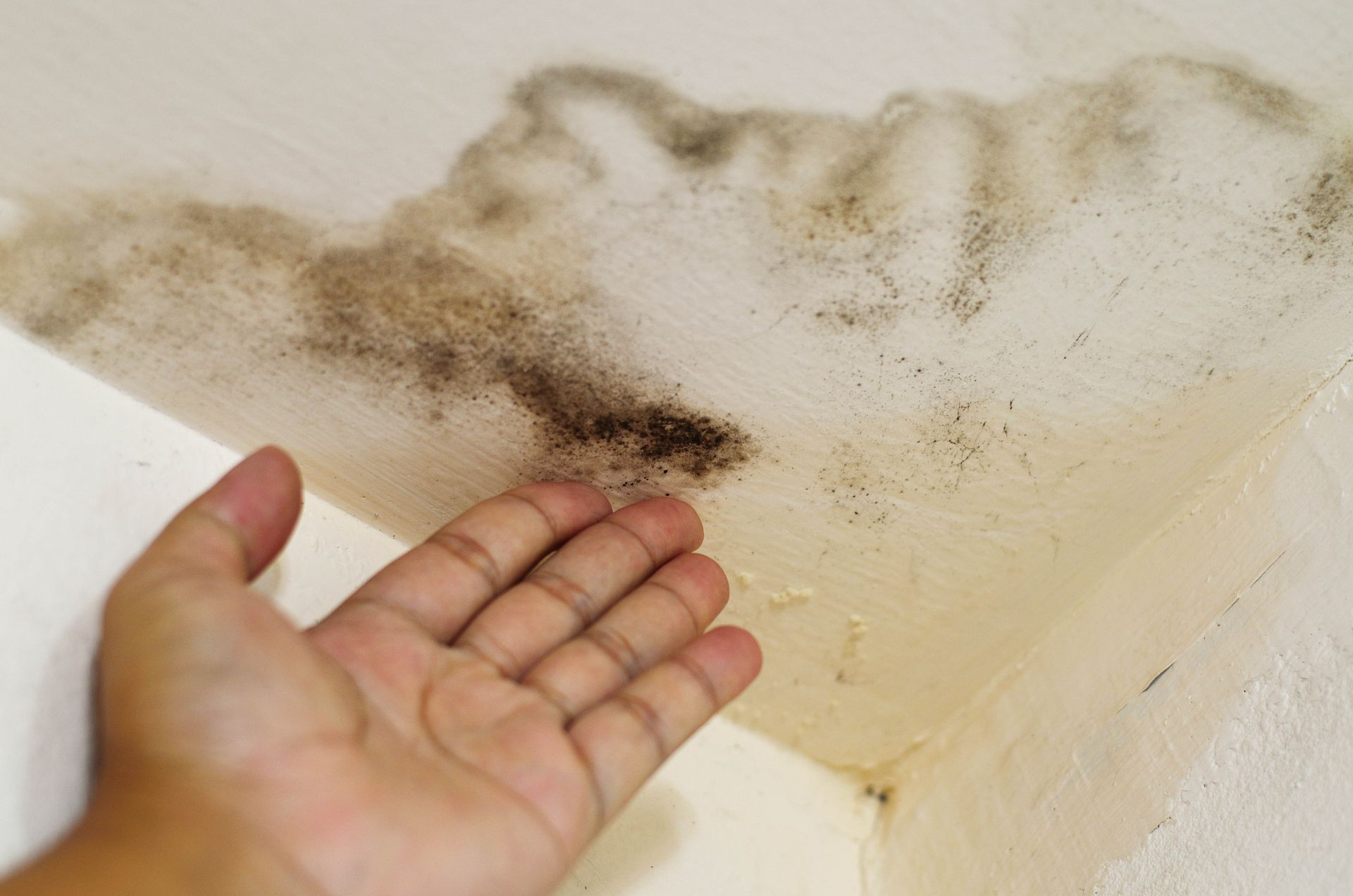
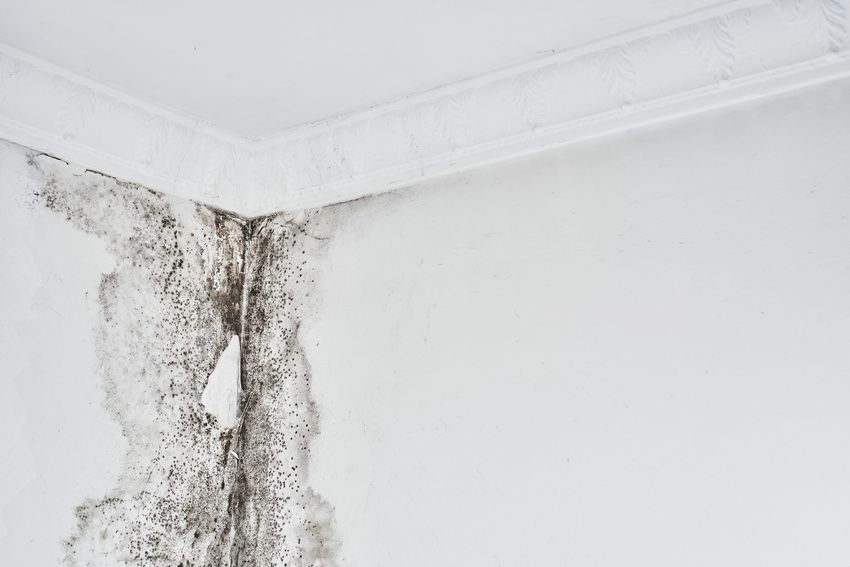
Mold is one of those household issues that often develops quietly before it becomes visible or noticeable. By the time homeowners detect it, the problem has usually spread beyond the surface level. Understanding where hidden moisture collects and how it contributes to microbial growth is essential for maintaining both property value and indoor air quality. Effective mold removal often depends on identifying these overlooked areas early, rather than reacting after contamination has expanded.
The challenge is that mold rarely appears in obvious locations first. Instead, it thrives in concealed or infrequently inspected parts of the home where humidity, poor airflow, and organic materials create ideal conditions. This is why routine awareness and inspection are so important. In regions with naturally higher airborne spore counts, such as parts of the Midwest, the risk can be even greater. According to World Population Review, Missouri has a mold score of 44, based on the average number of spores per cubic meter of air, on a range of 0 (fewest mold spores) to 100 (most mold spores), highlighting how environmental conditions can influence indoor exposure risks.
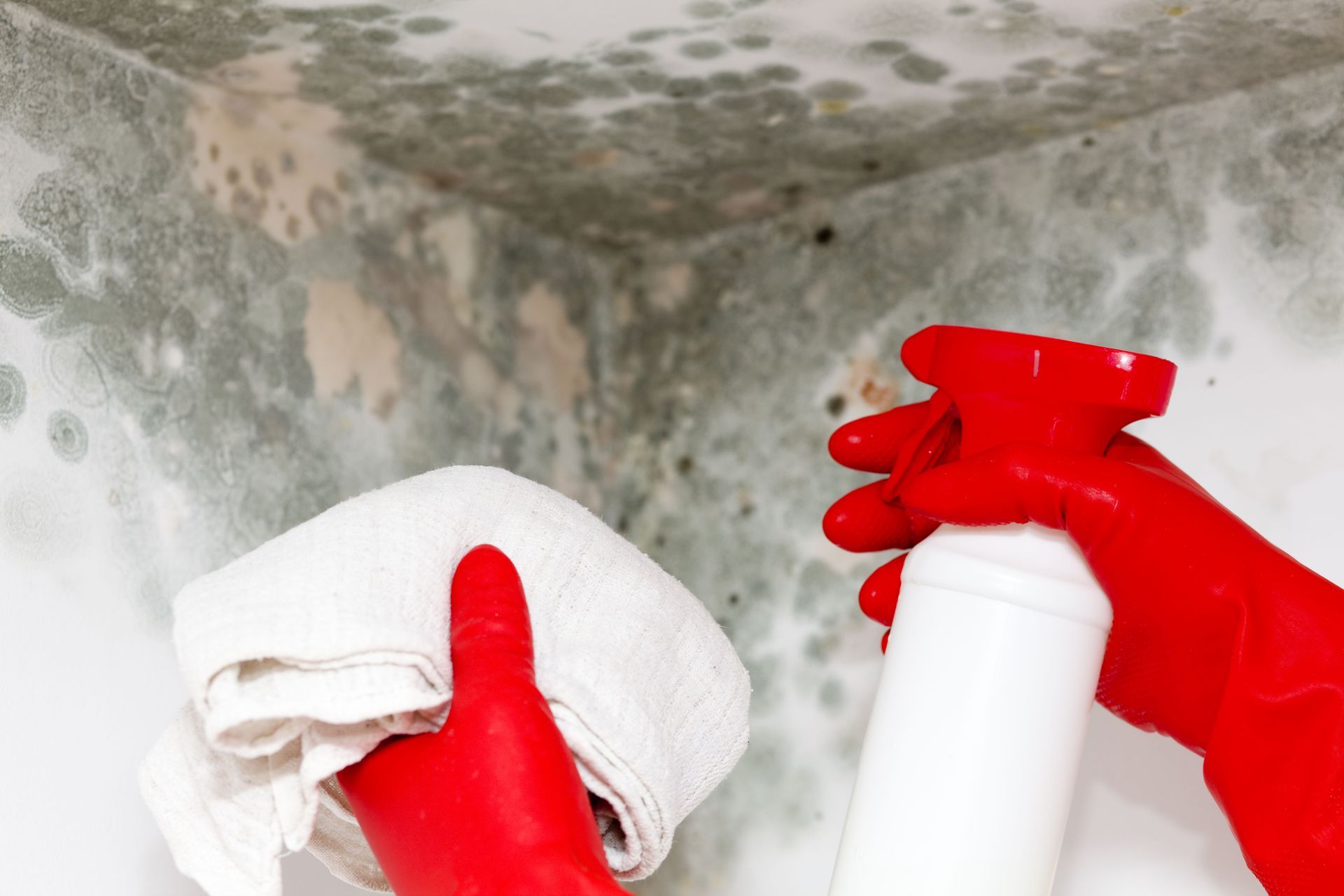
When mold is discovered, timely mold removal becomes critical not just for structural integrity but also for respiratory health. The following sections explore some of the most commonly overlooked areas where mold develops inside the home and why they require closer attention.
How Does Mold Grow In Air Ducts?
Air ducts are one of the most overlooked environments for hidden contamination. Because they circulate air throughout the home, they also distribute moisture, dust, and organic particles that mold can feed on. When condensation forms inside ductwork or when humidity levels remain high, spores can settle and multiply in areas that are rarely seen or cleaned.
The problem is compounded by limited airflow in certain sections of ducting, especially in older HVAC systems. Over time, this creates pockets where moisture lingers long enough to support growth. Homeowners often mistake musty odors coming from vents as a filter issue when, in reality, deeper contamination may be present.
Professional mold removal in duct systems typically involves inspection with specialized cameras and targeted cleaning methods designed to eliminate spores without spreading them further. Without proper treatment, air ducts can continuously reintroduce contamination into living spaces, making recurring issues more likely even after surface cleaning elsewhere in the home.
Why Is The Attic A Common Place For Mold?
Attics are particularly vulnerable due to fluctuating temperatures and limited ventilation. Warm air rising from lower levels of the home often meets cooler roof surfaces, creating condensation. Over time, this moisture can settle into insulation, wood framing, and stored materials. During colder months, the temperature difference between indoor and outdoor environments can make condensation even more pronounced. Homes with inadequate attic ventilation or insufficient insulation may experience ongoing moisture buildup that creates favorable conditions for mold growth year-round.
Because attics are not frequently accessed, mold can develop unnoticed for long periods. Small roof leaks or poorly sealed vents can accelerate the process, especially after seasonal weather changes. Once mold establishes itself in insulation, it becomes difficult to detect without a thorough inspection. Homeowners may not recognize a problem until they notice musty odors, water stains on ceilings, or a decline in indoor air quality. By that point, mold may have already spread across large sections of the attic structure.
In many cases, mold removal in attics requires more than surface treatment. Contaminated insulation may need to be replaced, and ventilation systems often require adjustments to prevent recurrence. Wooden roof decking and support beams may also require specialized cleaning and remediation techniques if mold has penetrated beneath the surface. Addressing the root cause is just as important as removing visible growth; otherwise, the conditions that allowed it to form will remain unchanged. Regular attic inspections and prompt attention to leaks can help homeowners identify potential issues before extensive remediation becomes necessary.
What Makes Basements So Susceptible To Mold?
Basements are among the most common problem areas in a home due to their below-ground structure and exposure to surrounding soil moisture. Even minor foundation cracks can allow water intrusion, creating persistent dampness that encourages mold growth. Poor ventilation further compounds the issue, trapping humid air in enclosed spaces.
This environment is especially concerning in regions with higher natural spore concentrations. Moisture combined with organic materials like cardboard, stored fabrics, or untreated wood creates ideal conditions for growth. The presence of mold in basements often goes unnoticed until odors develop or visible staining appears on walls and flooring.
When addressing basement contamination, mold removal efforts must include both cleanup and moisture control. Dehumidification, sealing entry points, and improving drainage are often necessary to prevent recurrence. Without these steps, mold is likely to return even after thorough remediation.
How Can Mold Develop Behind Wallpaper?
Wallpaper can create a hidden environment where moisture becomes trapped between adhesive layers and drywall. If a wall experiences even slight water intrusion from plumbing leaks or condensation, it may not dry properly beneath the surface. Over time, this creates an ideal breeding ground for mold.
The difficulty with this type of growth is that it remains completely concealed until it becomes severe. Homeowners may notice bubbling wallpaper, discoloration, or a faint odor before realizing there is a deeper issue. At that stage, the contamination may already have spread across a wider surface area.
Effective mold removal in these situations typically requires removing the wallpaper entirely and addressing the underlying moisture source. Simply treating the surface is not enough, as hidden spores can continue to grow beneath remaining adhesive layers.
What Steps Can Be Taken To Address Mold Under Carpets?
Carpeted areas are particularly vulnerable when moisture becomes trapped beneath the surface. Spills, flooding, or high humidity can seep into carpet padding, where drying is slow and incomplete. This creates an environment where mold can grow out of sight while the carpet above appears relatively normal. Areas near exterior doors, basements, bathrooms, and windows are especially susceptible because they are more likely to experience repeated moisture exposure. Even minor water incidents that seem harmless can create lingering dampness beneath the carpet fibers.
The challenge with this type of contamination is that it often goes unnoticed until odors develop or allergy symptoms increase. By that point, the underlying padding may already be heavily affected. Homeowners may also observe discoloration, a persistent musty smell, or sections of carpeting that feel damp long after a spill has occurred. In many cases, mold removal requires not just cleaning but also replacing affected carpet materials entirely. If the contamination has spread to the subfloor, additional remediation may be necessary to fully resolve the problem.
Preventing recurrence depends on addressing the source of moisture. Without proper drying and dehumidification, even newly installed carpet can become vulnerable again. Promptly extracting water after leaks or flooding events can significantly reduce the risk of mold growth. Regular inspections in moisture-prone areas and maintaining healthy indoor humidity levels can also help protect carpeting from hidden contamination. This makes early intervention essential whenever water exposure occurs.
Mold growth inside the home is often more widespread than it initially appears, especially when it develops in hidden or infrequently inspected areas. From air ducts and attics to basements, wallpaper, and carpeting, moisture can accumulate in ways that are not immediately obvious. Each of these environments presents unique challenges that require careful attention and consistent maintenance.
Understanding where these risks exist helps homeowners take proactive steps before damage escalates. In many cases, professional mold removal is the most effective way to ensure both visible and hidden contamination is fully addressed. By staying alert to early warning signs and controlling moisture sources, homeowners can significantly reduce the likelihood of recurring issues and protect both their living space and overall health. If you're looking for mold remediation, reach out to Restore It Restoration today!
Share On: