
7 Ways Mold Can Damage Your Home's Attic
Most homeowners don't spend much time in the attic, which is exactly why mold can grow there unnoticed for months or even years. Warm air rising from living spaces, roof leaks, poor ventilation, and humid Missouri summers can all create the moisture mold needs to thrive. Mold is also more common than many people think. According to OneDesk, about 70% of all homes contain some type of mold. Below, we'll cover seven ways mold can damage your attic and explain why professional mold removal is so important once a problem is found. Knowing what to watch for can help you act before minor growth turns into costly damage.
1. Rotting Roof Decking and Rafters
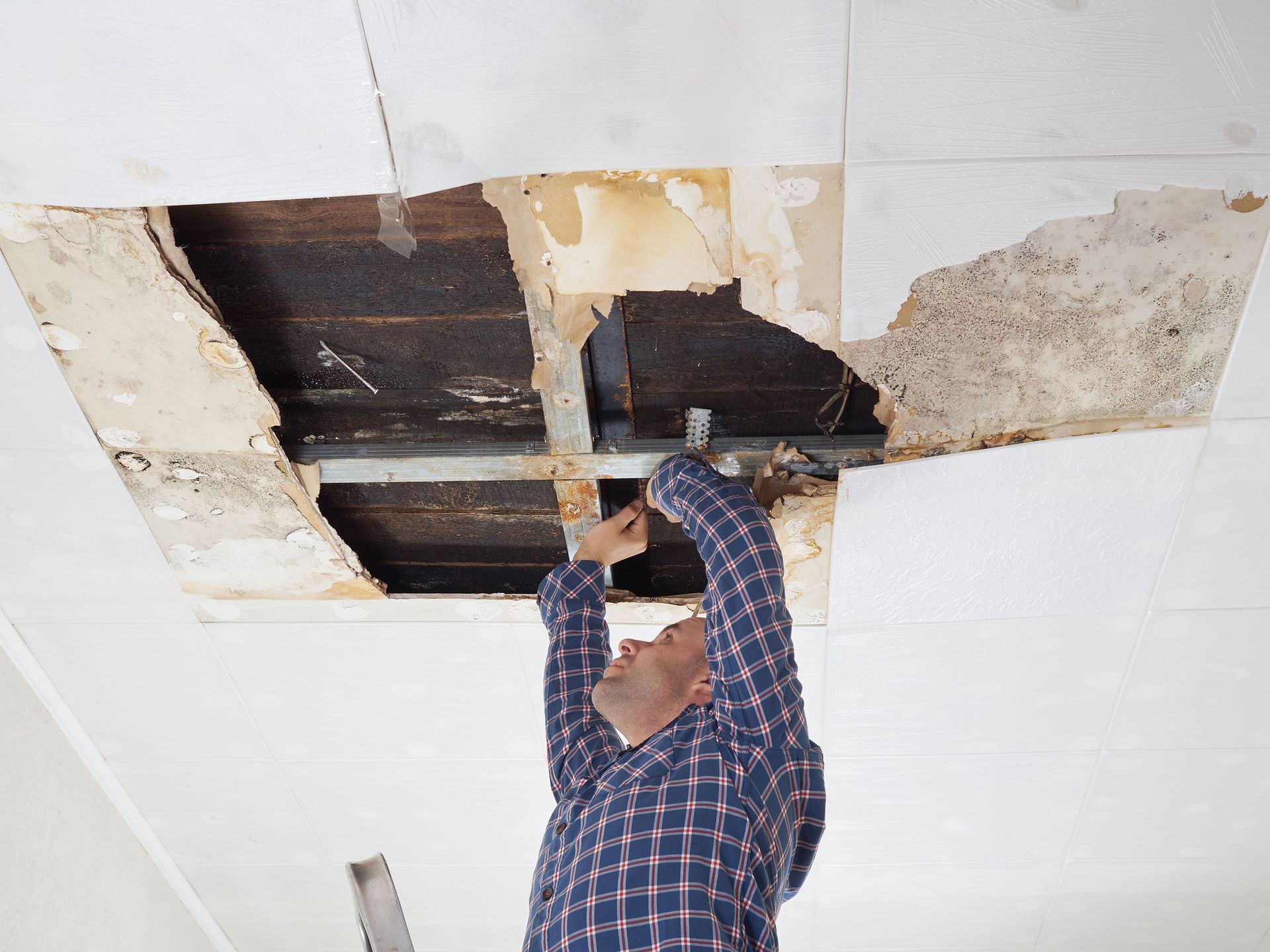
Mold feeds on organic materials like wood, and your attic is full of it. Roof sheathing, rafters, and trusses can all become food for mold when moisture lingers. Over time, mold growth combined with ongoing dampness can contribute to wood rot, softening the materials that support your roof. Weakened decking may sag, flex underfoot, or fail to hold roofing nails securely. In severe cases, structural repairs or roof replacement may be needed. Catching the problem early through prompt mold removal and moisture control can help protect the framework that keeps your home safe and dry. Look for dark staining, a fuzzy or spotted surface, or wood that feels soft when pressed, since these can be early warning signs. Because many homeowners rarely look at the underside of their roof, a professional inspection is often the first time this damage is discovered.
2. Ruining Insulation
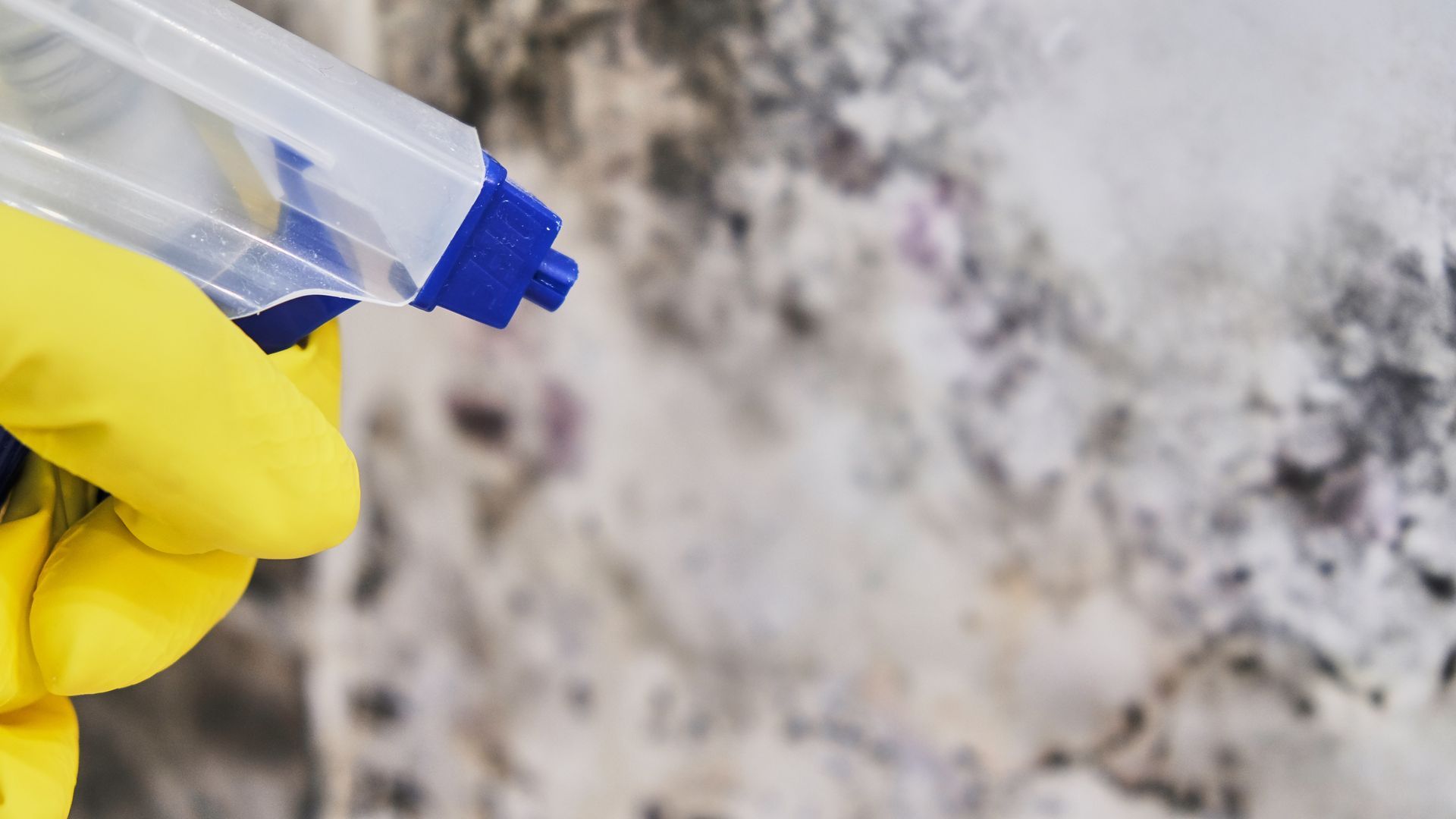
Attic insulation is designed to keep your home comfortable and your energy bills under control, but it can trap moisture and become a breeding ground for mold. Once insulation gets wet or contaminated, it often loses its ability to resist heat flow. That means your heating and cooling systems have to work harder, which can drive up utility costs throughout the year. Moldy insulation may also hold odors and spores that are difficult to clean. In many cases, contaminated insulation needs to be removed and replaced. Addressing the underlying moisture issue at the same time helps keep new insulation from developing the same problem. Common moisture sources include bathroom or dryer vents that exhaust into the attic, blocked soffit vents, and small roof leaks. Our team uses thermal imaging to help locate hidden moisture, so the real cause can be found and corrected before new insulation goes in.
3. Staining and Damaging Ceilings Below
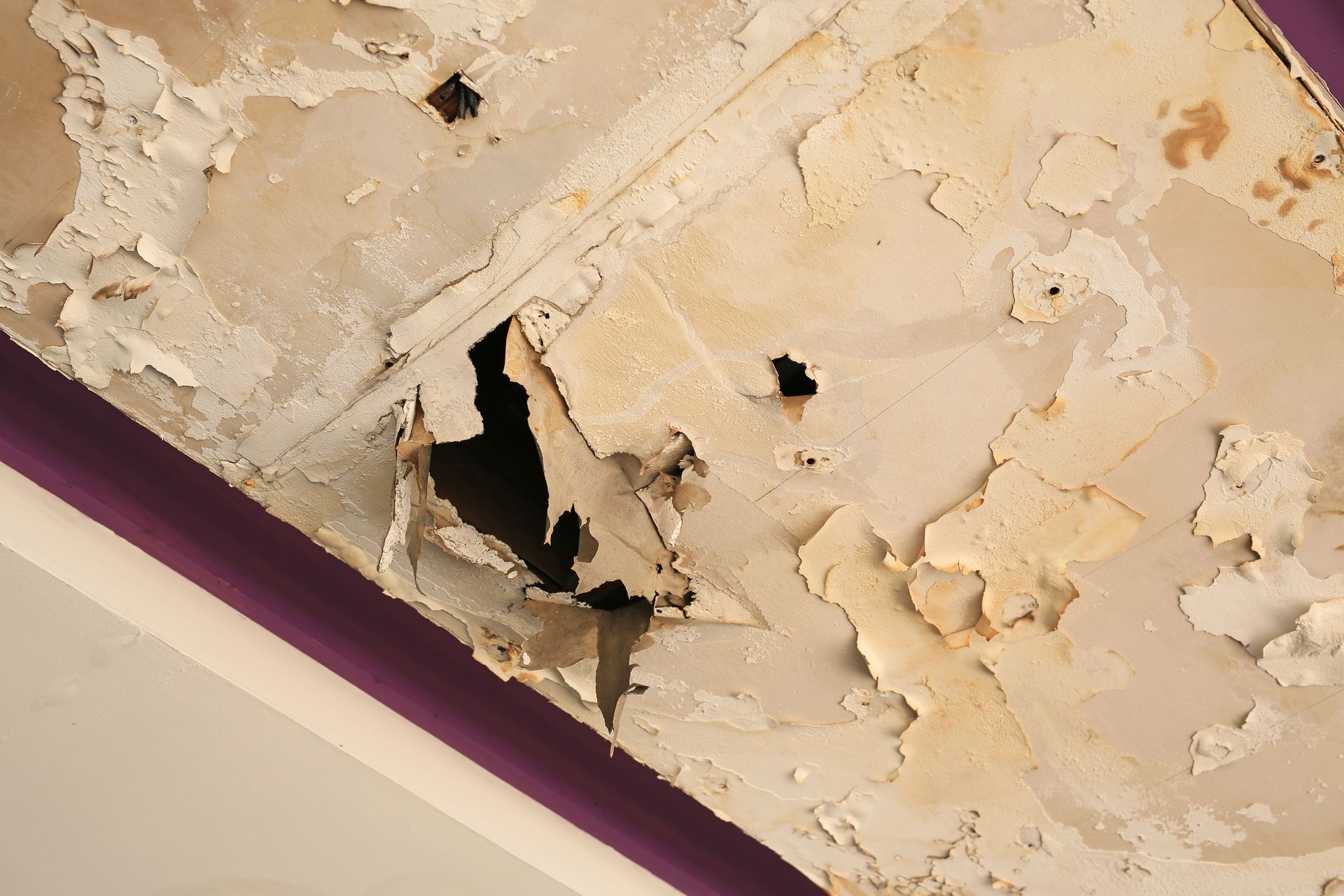
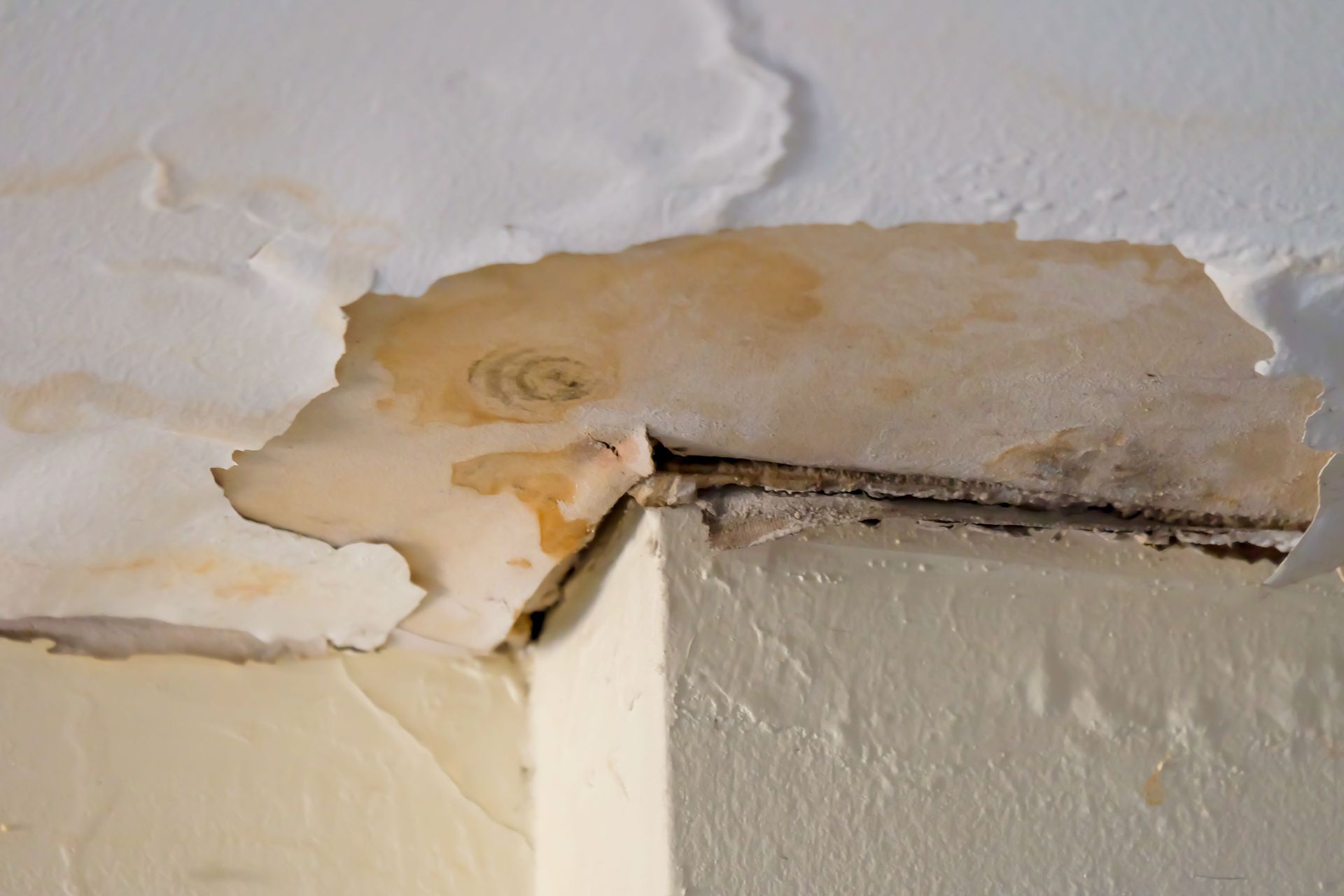
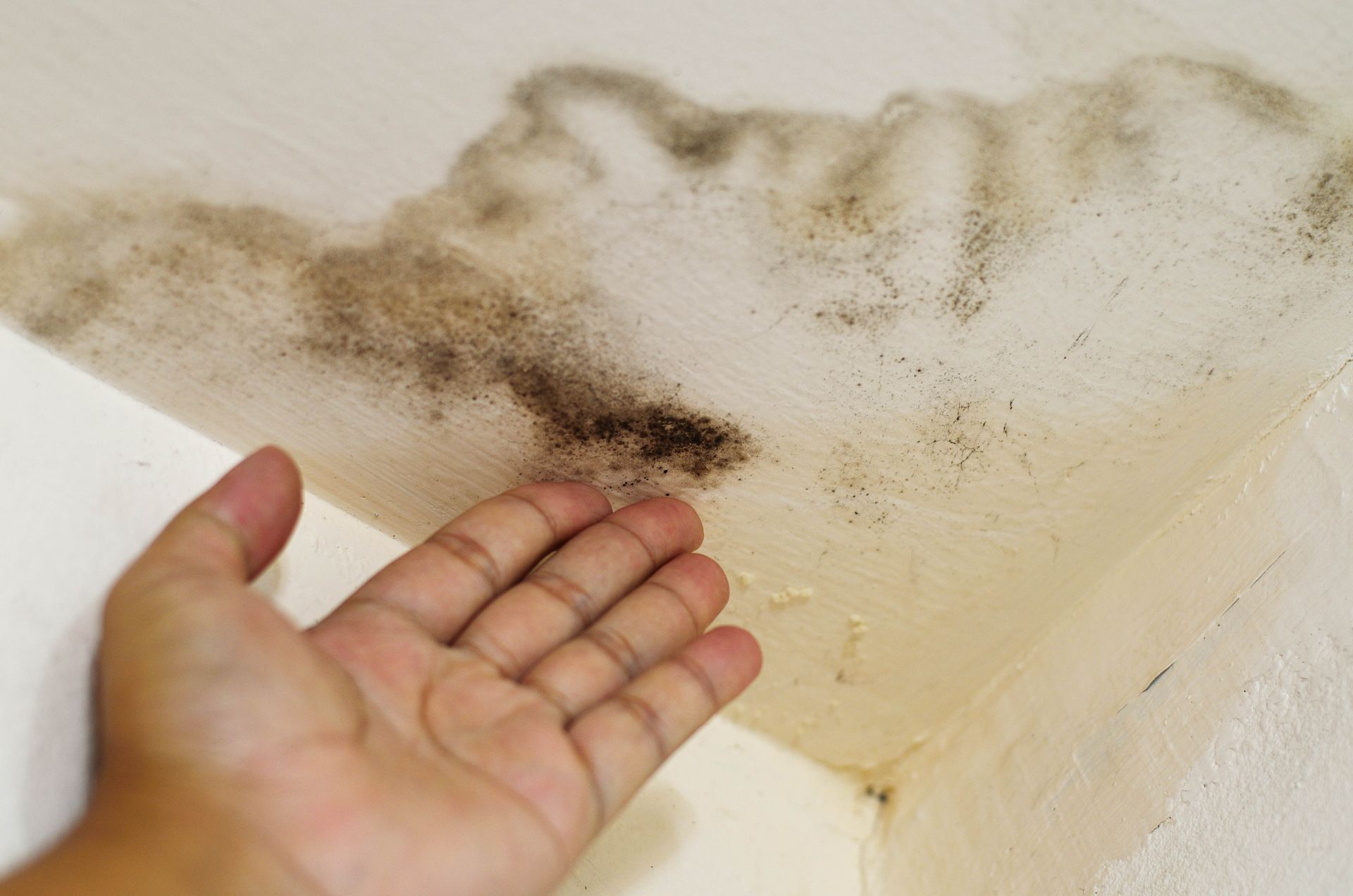
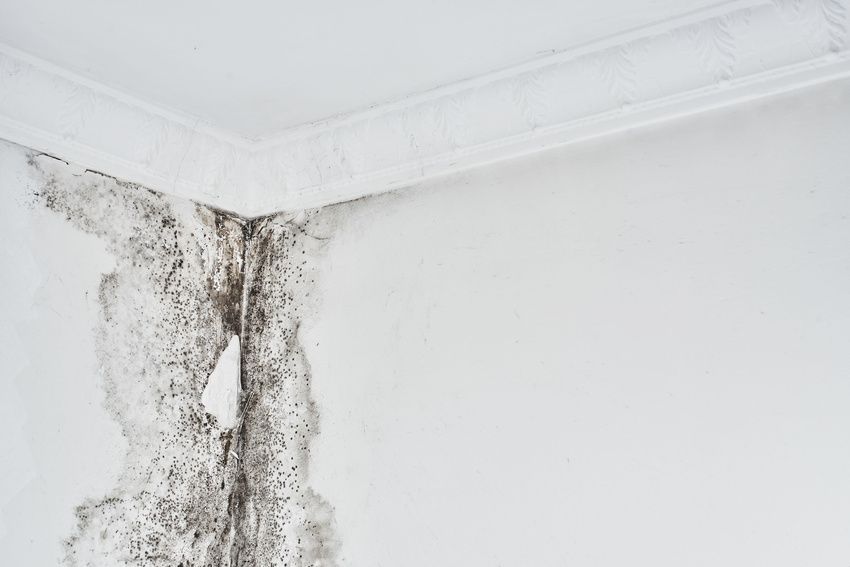
Mold and moisture in the attic don't always stay in the attic. When condensation builds up or a roof leak goes unnoticed, water can soak into the drywall below and leave brown stains or dark spots on your ceilings. Over time, the drywall may sag, bubble, or crumble, and mold can begin growing on the back side where you can't see it. What looks like a small cosmetic stain could be a sign of a larger hidden problem. Repairing ceilings without fixing the source of the moisture usually means the damage will return. A thorough inspection helps identify both the mold and the cause behind it. Fixing the moisture source first, then completing professional mold removal, gives your ceiling repairs the best chance of lasting. It also helps prevent new stains from showing up a few months after the repairs are finished.
4. Affecting Air Quality in Your Living Spaces
Your attic is connected to the rest of your home more than you might realize. Air can move between the attic and living areas through gaps around light fixtures, vents, attic hatches, and ductwork. When mold is present, spores and musty odors may travel into the rooms below. Some people are more sensitive to mold than others, and it may contribute to allergy-like symptoms or irritation for certain household members. Even if no one notices symptoms, poor indoor air can make your home feel stale and uncomfortable. Professional mold removal helps address the source so your home can feel fresher and cleaner. Sealing gaps between the attic and living areas after cleanup can also help keep air from moving between the two spaces.
5. Creating Lingering Odors
A persistent musty smell is often one of the first signs of a mold problem. In the attic, that odor can build up in insulation, wood, and stored items, and it may eventually make its way into your living spaces. Air fresheners and candles might mask the smell for a while, but they won't solve the underlying issue. As long as the mold and moisture remain, the odor will keep coming back. Removing the contamination and correcting moisture problems is the most effective way to eliminate the smell for good. Our team also provides odor control services to help restore a clean, fresh environment. Paying attention to odors, especially after rain or on hot days, can help you catch attic mold before it spreads further.
6. Damaging Stored Belongings
Many families use their attic for storage, keeping holiday decorations, family keepsakes, old clothing, and important documents tucked away for years. Unfortunately, cardboard boxes, fabric, paper, and wood furniture are all materials mold can grow on. Once mold takes hold, it can stain, weaken, and permanently damage these items. Sentimental belongings like photos and heirlooms may be impossible to replace. Checking your attic regularly and storing items in sealed plastic containers can help reduce the risk. If mold is already present, it's important to address it before it spreads to more of your stored possessions. Moving belongings out of the attic before cleanup also makes it easier to treat the space thoroughly and inspect each item for damage.
7. Lowering Your Home's Value
Mold in the attic can become a major concern when it's time to sell your home. Home inspectors routinely check attics, and signs of mold, water damage, or rotting wood can raise red flags for potential buyers, even if the rest of the house is in great shape. Buyers may ask for repairs, request a lower price, or walk away from the sale altogether. Even if you're not planning to move soon, unresolved mold can lead to more expensive repairs over time. Investing in professional mold removal before problems spread helps protect your home's condition and value. Documentation of completed work can also give future buyers added peace of mind. Taking care of mold early is almost always less disruptive and less costly than waiting until it becomes a bigger problem. Pairing mold removal with proper ventilation and moisture control helps keep your attic dry and your home protected for years to come.
At Restore It Restoration LLC, we're a local, family-owned company that has served Jefferson City and the surrounding area for more than 18 years. We provide professional mold remediation and removal, water damage restoration, odor control, and a wide range of cleanup services. Our team uses state-of-the-art thermal imaging to find hidden moisture, and we focus on clear communication and honest assessments every step of the way. We offer free estimates and 24/7 emergency services when you need help fast. If you've noticed musty odors, stains, or signs of moisture in your attic, we're ready to help. Contact Restore It Restoration LLC today to request your free estimate.
Share On: