
How to Reduce Mold Spores In Your Home
The presence of mold spores in a home is something that almost every homeowner deals with at some point, but it doesn’t have to be a permanent guest. Mold is a common household issue that can cause numerous health problems and damage to your home. Reducing mold spores not only enhances your living space but also contributes to a healthier lifestyle. This article will guide you through various strategies to effectively reduce mold spores in your home. By addressing the underlying causes of mold growth and implementing practical solutions, you can significantly reduce the presence of mold spores. From preventing moisture buildup to using efficient cleaning methods, this guide offers comprehensive steps to maintain a mold-free environment. It is all about staying ahead of the moisture and knowing when to call for local mold removal help if things get out of hand.
Identifying Common Moisture Sources Indoors
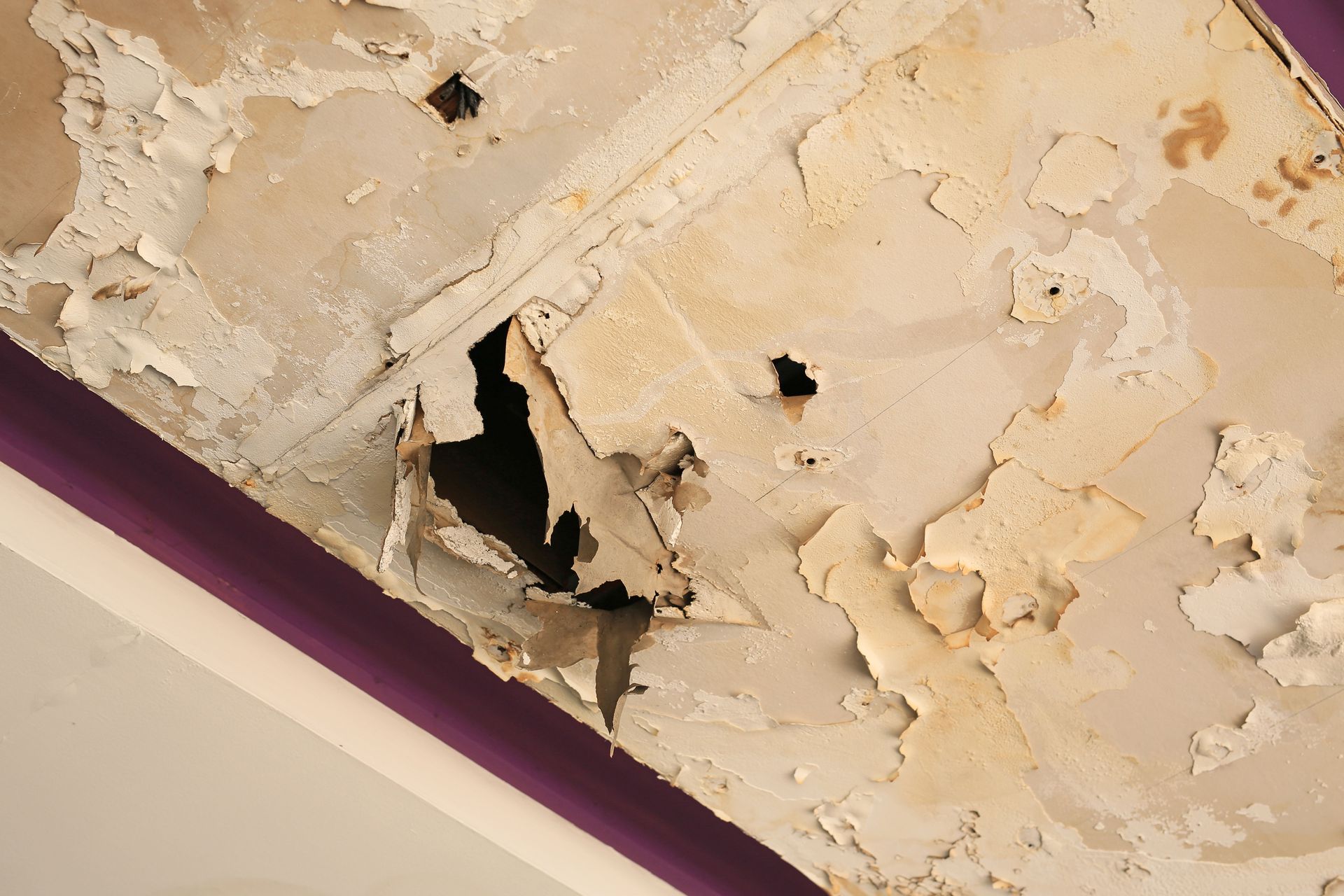
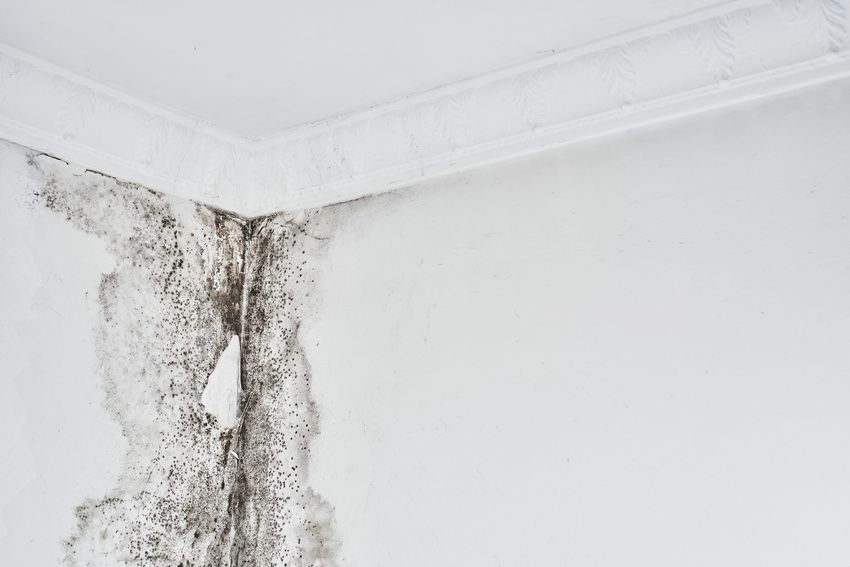
When we talk about mold, we are really talking about water. Mold spores are everywhere, but they only start to throw a party when they find a damp surface. High humidity levels are the primary contributors to mold growth in homes. Mold thrives in damp conditions, and when humidity exceeds 60%, mold spores find an ideal breeding ground. Bathrooms, basements, and kitchens are especially vulnerable due to the presence of water sources. Regularly using dehumidifiers and exhaust fans can help keep humidity levels in check. It's also important to address any sources of water ingress, such as leaks or faulty plumbing, to prevent moisture buildup.
Poor ventilation is another silent culprit. Inadequate airflow often results in stagnant indoor air, which is conducive to mold growth. Well-ventilated spaces help regulate humidity and disperse moisture, reducing the likelihood of mold. Homes without efficient ventilation are more prone to mold issues, especially in areas like attics and crawl spaces. Opening windows and using extractor fans can help improve ventilation and circulate fresh air. Regular maintenance of HVAC systems ensures that air moves efficiently throughout the home. Leaks and water intrusion are also common culprits behind mold proliferation within homes.
Increasing Airflow to Prevent Spore Stagnation
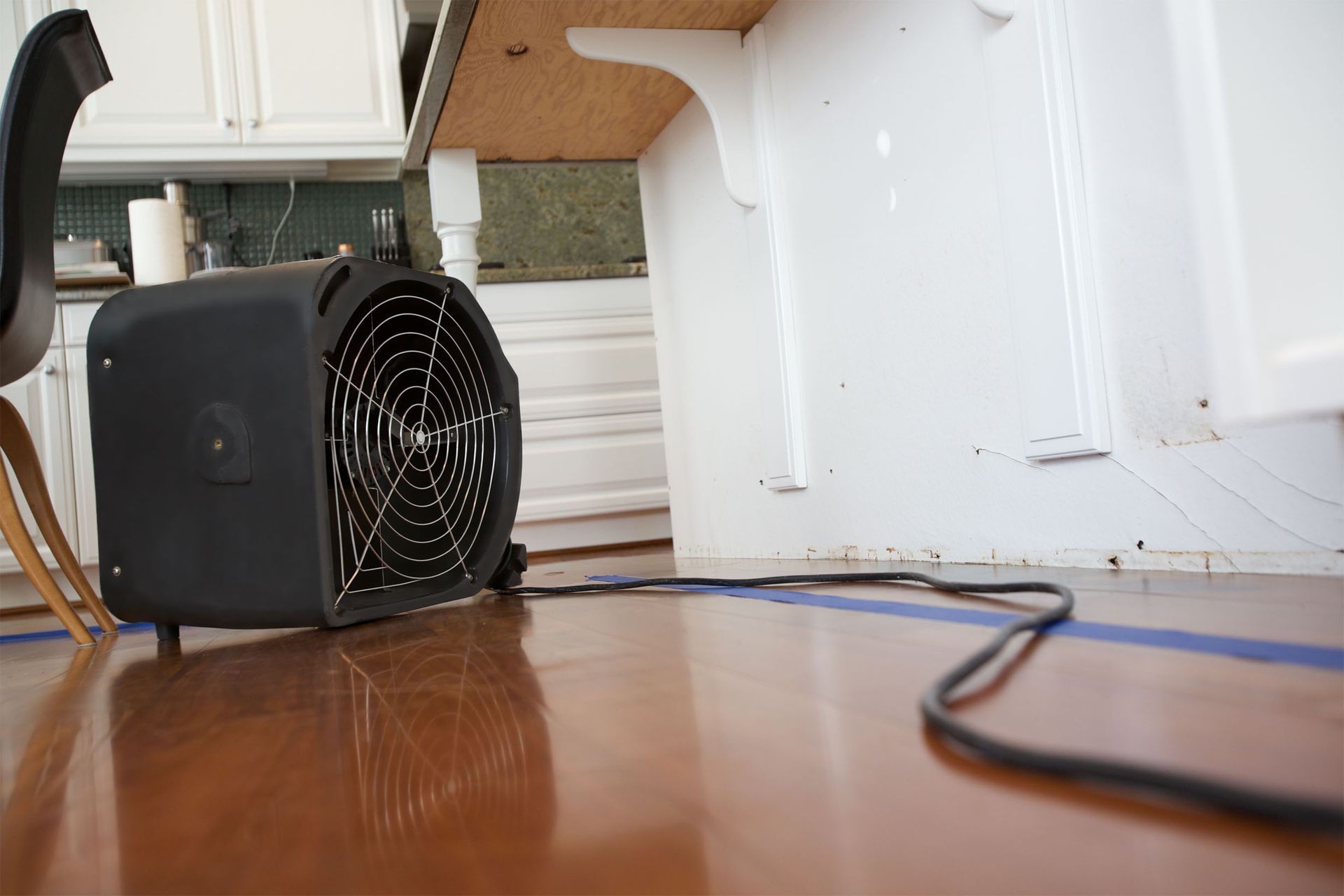
Think of your home like a living, breathing thing. If the air doesn't move, it gets "stuffy," and that is exactly where spores love to settle. Installing exhaust fans in kitchens and bathrooms is an effective way to improve ventilation. These areas are prone to high humidity due to cooking and hot showers. Exhaust fans help expel moisture-laden air outside, preventing condensation and mold growth. Regular cleaning and maintenance of fans ensure they function efficiently. Choosing energy-efficient models can also reduce energy consumption while keeping indoor air fresh and mold-free. If your home has a history of poor airflow, professional local mold removal technicians can often suggest better ways to route your ventilation.
Performing Routine Home Inspections for Dampness
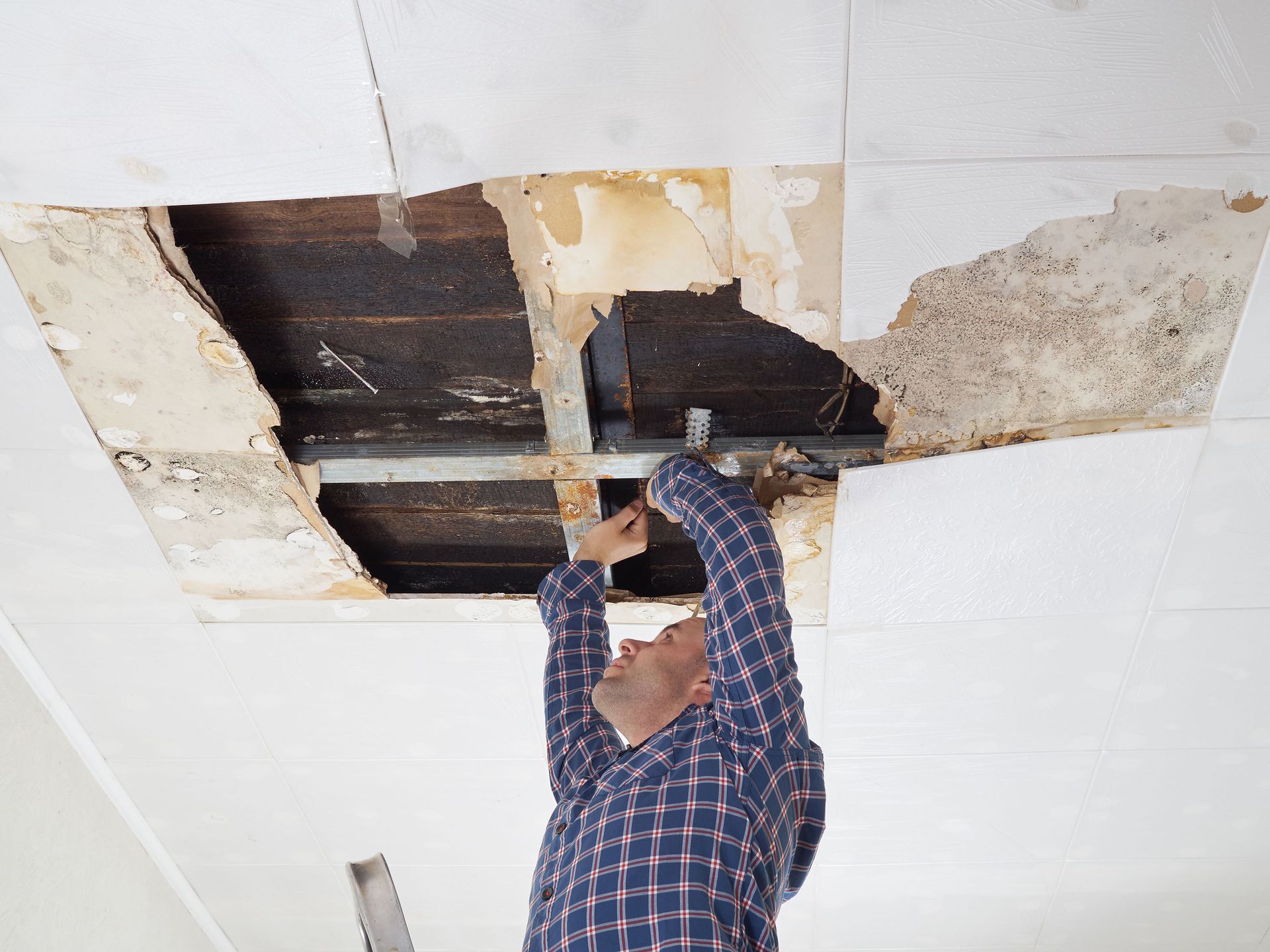
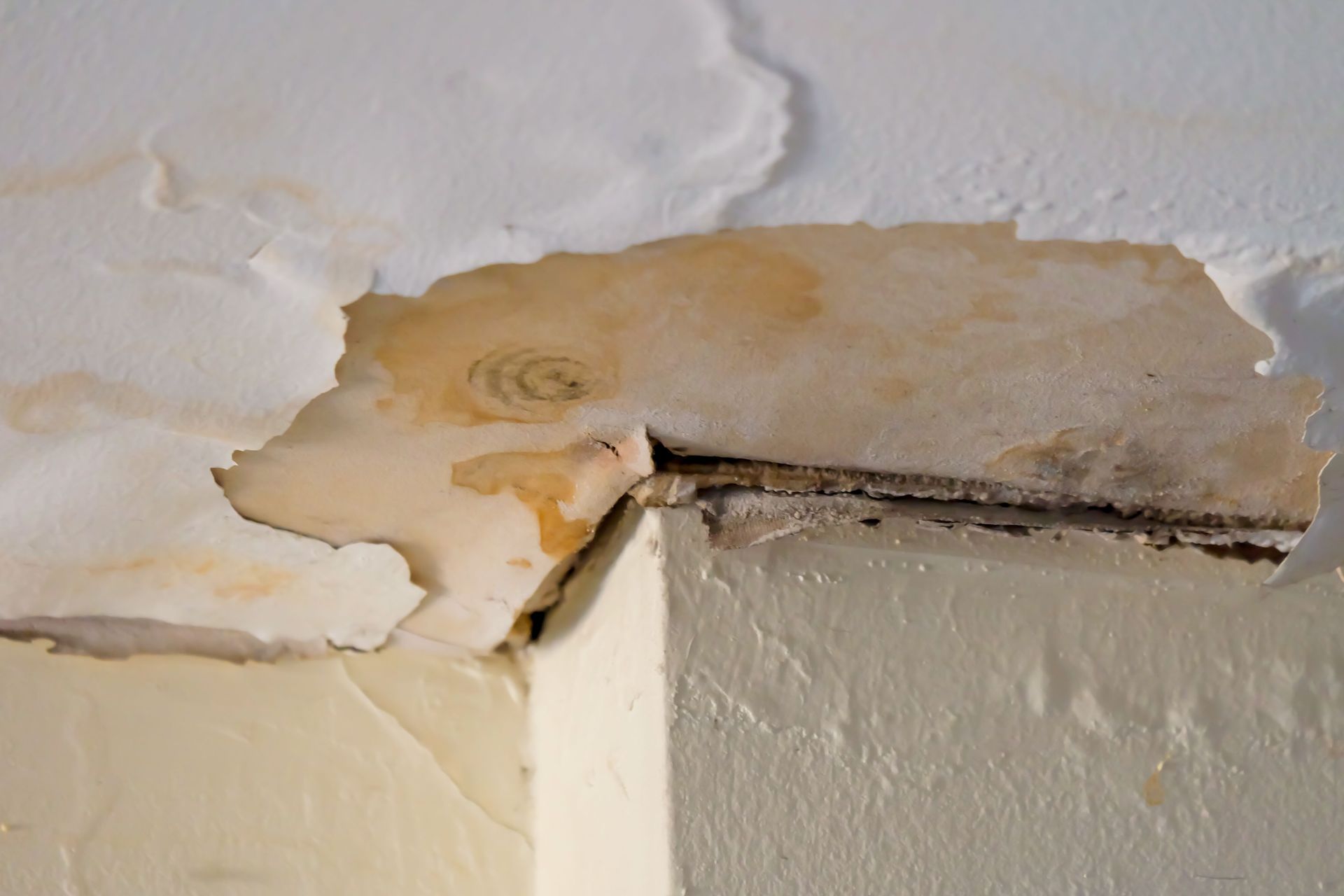
Staying on top of your home's health is a lot like going for a physical; you want to catch the small things before they become big, expensive headaches. Routine inspections for leaks are vital to preventing mold growth and preserving the integrity of your home. Common sources of leaks include roofs, plumbing, and faulty seals around windows and doors. Early detection and repair of leaks can prevent water damage and subsequent mold issues. Implementing a regular inspection schedule allows for prompt action and minimizes the risk of significant mold proliferation. Homeowners should prioritize leak repairs to maintain a mold-free environment. If you find a leak that has been going on for a while, don't just dry the carpet; consider a quick consult for local mold removal to ensure nothing is growing underneath.
Properly sealing windows and doors is an effective way to prevent moisture entry and mold growth. Drafts and cracks in seals allow ambient moisture to penetrate, creating a suitable environment for mold. Weatherstripping and caulking can effectively seal gaps, improving energy efficiency and reducing moisture intrusion. Regular checks and resealing when necessary help maintain airtight seals and prevent potential mold problems. Sealing efforts also contribute to a more comfortable and energy-efficient home. Clean gutters and downspouts are essential for directing water away from your home, preventing water intrusion and mold growth. Clogged or damaged gutters can cause water to overflow, seeping into walls and foundations.
Adopting Proactive Cleaning Habits for Surfaces
Cleaning isn't just about making things look shiny; it’s about removing the food source for mold. Mold-resistant cleaners are formulated to prevent mold growth on various surfaces. Regular application in kitchens, bathrooms, and other susceptible areas helps maintain a mold-free environment. These cleaners create a protective barrier, inhibiting mold spore proliferation. If you are moving into a new place and notice old stains, professional local mold removal can give you a clean slate to start your new cleaning routine.
A regular cleaning schedule is essential for minimizing mold spores and maintaining a hygienic living space. Focus on cleaning moisture-prone areas and surfaces with specialized mold-resistant products. Regular dusting and vacuuming reduce the accumulation of dust and organic materials that contribute to mold growth. Consistent cleaning practices prevent mold spores from settling and proliferating. A comprehensive cleaning schedule involves weekly, monthly, and seasonal tasks for optimal effectiveness. Regular cleaning and maintenance of air vents and ducts play a significant role in reducing airborne mold spores.
Managing Exterior Conditions to Block Intrusion
The battle against mold often starts outside your four walls. If water is pooling against your foundation, it’s only a matter of time before it finds its way in. Overgrown plants and inadequate landscaping can contribute to moisture retention and mold growth near the home. Regular trimming and maintenance prevent moisture buildup and promote airflow around the home's exterior. Strategic planting of vegetation away from walls helps reduce the risk of water intrusion and mold issues. Integrating landscaping with good drainage design ensures efficient water runoff. Healthy and well-managed outdoor areas support a mold-free home environment.
Addressing Health Risks and Safety Protocols
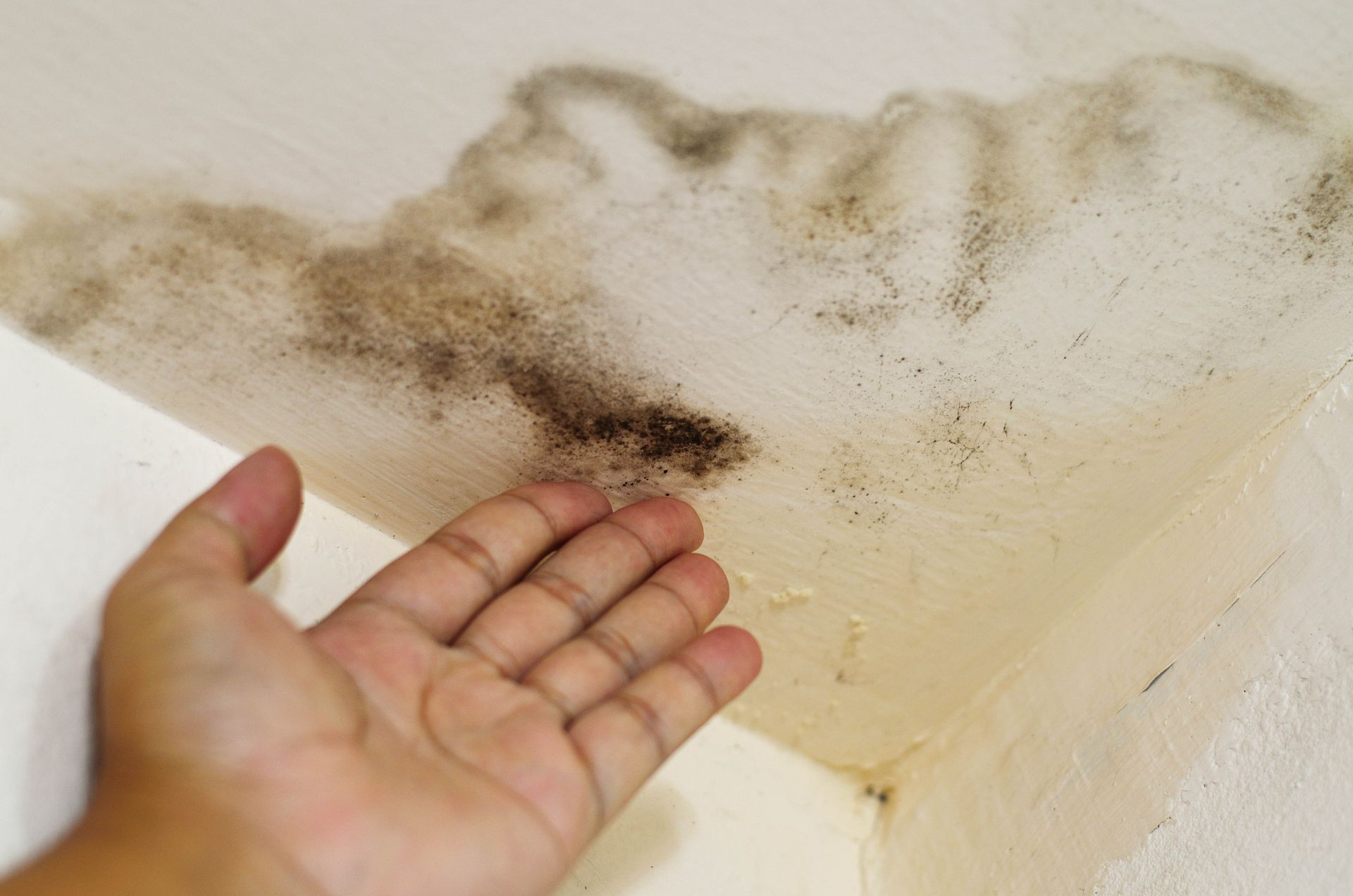
When we talk about mold, we aren't just talking about ugly black spots on a wall; we are talking about your health. Understanding and recognizing health symptoms associated with mold exposure can protect your household. Common symptoms include respiratory issues, allergic reactions, and skin irritations. Mold exposure may exacerbate asthma and existing respiratory conditions. Promptly addressing these symptoms can mitigate the impact of mold exposure on health. Consulting healthcare professionals for persistent symptoms ensures appropriate interventions and prevents complications. When in doubt, seeking local mold removal expertise is the safest way to handle a large-scale infestation.
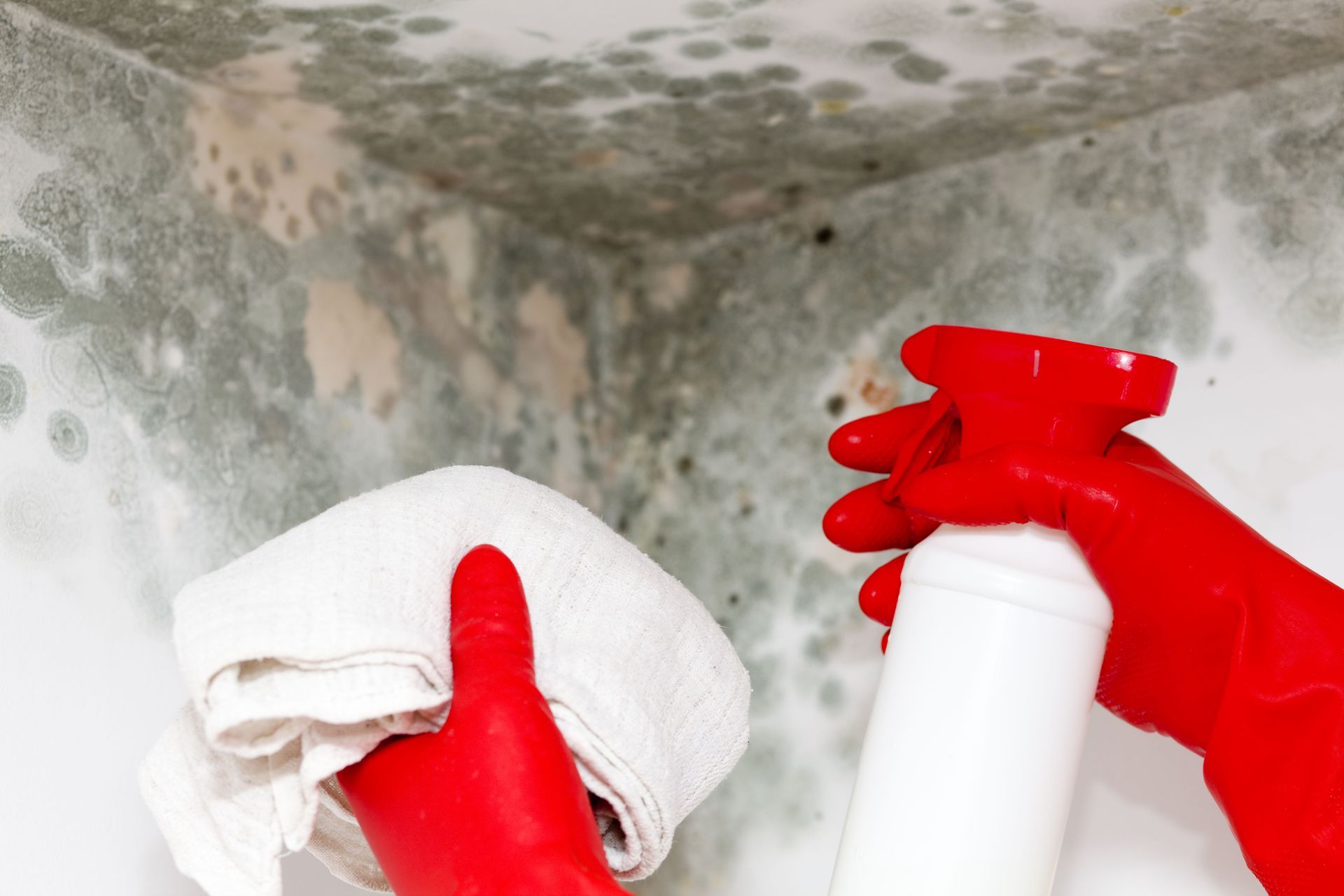
When removing mold, using appropriate safety gear is crucial to protect against inhalation and skin contact. Essential gear includes N95 respirators, gloves, and protective eyewear to minimize exposure. Disposable coveralls or old clothing covering the body can prevent mold contact. Ventilated workspaces and containment barriers help limit spore spread during cleanup. Consistently using safety gear is vital for safe and effective mold remediation practices. In certain situations, consulting professionals for mold remediation is advisable to ensure proper and thorough removal.
Evaluating Regional Risks for Better Prevention
Where you live actually plays a huge role in how hard you have to work to keep your home dry. Geography dictates humidity, and humidity dictates mold. When analyzing mold risks, it's interesting to note that, according to World Population Review, Missouri has a mold score of 44, based on the average number of spores per cubic meter of air, on a range of zero (fewest mold spores) to 100 (most mold spores). This score shows that while some states might have it worse, a score of 44 still requires a vigilant homeowner to prevent the environment from becoming a breeding ground. Knowing your local environment helps you tailor your dehumidification and cooling strategies.
Reducing mold spores in your home requires consistent effort and attention to detail. By understanding the causes, improving ventilation, performing regular maintenance, implementing effective cleaning methods, protecting outdoor areas, and prioritizing health and safety, you can create a healthier living environment and minimize mold-related risks. Commitment to mold prevention ensures a cleaner, safer, and more enjoyable living space. It is always better to spend a little time each month on maintenance than to spend a lot of money later on massive repairs. If you find yourself overwhelmed by a growth you can't control, reach out to Restore It Restoration.
Share On: